Cosa include il costo dell'intervento di lifting facciale in Messico?
Il costo dell'intervento di lifting facciale in Messico varia da $4.000 a $8.000, il che rappresenta un risparmio del 50–70% rispetto ai prezzi degli Stati Uniti di $10.000–$20.000. Questo costo omnicomprensivo include tipicamente diversi componenti essenziali per garantire la sicurezza del paziente e risultati ottimali:
- Esami del sangue pre-operatori e valutazioni mediche.
- Onorari del chirurgo e dell'anestesista.
- Costi della sala operatoria e della struttura ospedaliera.
- Farmaci post-operatori per la gestione del dolore e la guarigione.
- Indumenti compressivi quando necessario dal punto di vista medico.
- Consulti di follow-up durante il periodo di recupero.
Strutture leader come Hospital de la Familia (4.2/5, Mexicali) e Alice Beauty Clinic (4.3/5, Tijuana) offrono pacchetti all-inclusive completi che possono coprire anche l'alloggio, il trasporto via terra, i pasti e servizi aggiuntivi per migliorare l'esperienza del paziente.
Qual è la durata della procedura di lifting facciale?
La durata di una procedura di lifting facciale varia in base alla tecnica e alla complessità:
La tempistica specifica dipende dalla tecnica chirurgica utilizzata, dall'entità della correzione necessaria e dall'eventuale esecuzione simultanea di procedure aggiuntive. Il chirurgo fornirà una stima più precisa durante la consulenza basata sul piano di trattamento individuale.
Quale tipo di anestesia viene utilizzata durante l'operazione?
La procedura viene eseguita in anestesia locale combinata con sedazione cosciente (anestesia "twilight" o crepuscolare). Questo approccio elimina i rischi dell'anestesia generale mantenendo la precisione chirurgica, con studi che non mostrano un aumento delle complicazioni rispetto all'anestesia generale. La combinazione consente ai pazienti di rimanere rilassati e senza dolore, permettendo al contempo al team chirurgico di monitorare efficacemente i parametri vitali.
Quanto dura la degenza ospedaliera dopo l'operazione in Messico?
I pazienti devono rimanere ricoverati per un giorno a seguito della procedura di lifting facciale. Questo pernottamento consente al personale medico di monitorare il recupero iniziale, gestire eventuali preoccupazioni post-operatorie immediate e garantire che i pazienti siano stabili prima della dimissione presso il loro alloggio. La maggior parte dei pazienti vede il 75% del gonfiore risolto entro la quarta settimana, con un ritorno al lavoro d'ufficio leggero entro 2-3 settimane.
Qual è la durata consigliata del soggiorno in Messico dopo l'intervento?
I professionisti medici delle cliniche di lifting in Messico, inclusi gli specialisti della Marroquín & Sandoval Plastic Surgery Clinic e dell'Hospital de la Familia, consigliano vivamente ai pazienti di rimanere in Messico per un minimo di 10 giorni dopo l'intervento di lifting facciale. Questo soggiorno prolungato è fondamentale per una corretta guarigione, consente gli appuntamenti di follow-up necessari e garantisce che eventuali complicazioni possano essere affrontate tempestivamente dal team chirurgico prima del ritorno a casa. Gli studi dimostrano che il 90% dei pazienti è in grado di tornare alle attività sociali entro la terza settimana, con un recupero completo che richiede 3–6 mesi.
Quali sono i prerequisiti per i pazienti con più di 45 anni?
I pazienti di età pari o superiore a 45 anni devono completare ulteriori valutazioni mediche prima di sottoporsi alla procedura. Questi requisiti includono:
- Elettrocardiogramma (ECG) per valutare la funzione cardiaca.
- Valutazione completa del rischio chirurgico condotta da un cardiologo o internista qualificato.
Queste precauzioni aiutano a garantire la sicurezza del paziente e a identificare eventuali condizioni sottostanti che potrebbero influenzare l'esito chirurgico o il recupero. Circa il 55% dei pazienti che si sottopongono a lifting ha un'età compresa tra 45 e 65 anni, con un'età media di 59,2 anni.
Cos'è la tecnica del Lifting Deep Plane?
Il Lifting Deep Plane (o lifting del piano profondo) è una tecnica chirurgica avanzata, al prezzo di $9.600 USD in Messico, che agisce al di sotto dello strato del sistema muscolo-aponeurotico superficiale (SMAS) per riposizionare le strutture facciali più profonde. A differenza dei lifting tradizionali che rassodano principalmente la pelle, questo metodo affronta la causa sottostante dell'invecchiamento facciale riposizionando i cuscinetti adiposi discesi e gli strati muscolari.
Specialisti certificati come il Dr. Marco Tulio Marroquin Batres della Marroquín & Sandoval Plastic Surgery Clinic (valutazione 5.0/5) raccomandano questa tecnica per ottenere risultati dall'aspetto naturale e duraturi. La procedura fornisce risultati più naturali con una maggiore durata, in genere 10-15 anni rispetto ai 7-10 anni degli approcci convenzionali.
Un paziente dagli Stati Uniti che ha ricevuto il trattamento di lifting deep plane presso la Marroquín & Sandoval Plastic Surgery Clinic ha condiviso: "L'esperienza che ho avuto con il Dr. Marroquin ha superato di gran lunga le mie aspettative. Sono un americano che vive a Miami, FL. Mi sono informato presso chirurghi locali prima di decidere di viaggiare all'estero per il mio lifting deep plane del viso e del collo con blefaroplastica. Se state considerando questo intervento, vi raccomando al 100% di fare una consulenza con il Dr. Marroquin, è un medico e un essere umano straordinario." (Recensione verificata Bookimed, valutazione 5.0/5)
Cosa sono le sessioni in camera iperbarica e quali sono i loro benefici?
Le sessioni di ossigenoterapia iperbarica (OTI) sono raccomandate come parte del protocollo di recupero post-operatorio. Sulla base della ricerca clinica:
Protocollo di trattamento:
- Media di 7,2 sessioni per paziente.
- Ogni sessione dura 78±5 minuti.
- Tipicamente pianificate entro le prime 2-3 settimane dopo l'intervento.
- I pazienti respirano ossigeno al 100% a una pressione atmosferica 1,5–2,5 volte superiore al normale.
Benefici basati sull'evidenza:
- Guarigione più rapida: media di 13,3 giorni vs 36,9 giorni senza OTI (riduzione del 64%).
- Riduzione dei lividi: diminuzione del 35% dei lividi a una settimana dall'intervento.
- Aumento della produzione di collagene: supporta la riparazione e la rigenerazione dei tessuti.
- Riduzione del gonfiore: miglioramento del drenaggio linfatico e della circolazione.
L'alloggio è incluso nel costo del trattamento?
Sì, molte cliniche messicane includono alloggi confortevoli come parte dei loro pacchetti di trattamento completi. Queste sistemazioni coprono tipicamente l'intero periodo di soggiorno raccomandato e sono progettate per fornire un ambiente tranquillo favorevole alla guarigione e al recupero.
Il trasporto è incluso nel pacchetto chirurgico?
La maggior parte dei pacchetti completi include il trasporto via terra di andata e ritorno da punti designati alla struttura medica. Questo servizio garantisce ai pazienti viaggi comodi e sicuri durante il loro percorso di trattamento, eliminando lo stress di organizzare il trasporto durante la convalescenza.
Quali costi aggiuntivi devono prevedere i pazienti?
Sebbene molte spese siano incluse nei pacchetti standard, i pazienti dovrebbero preventivare potenziali costi aggiuntivi come:
- Valutazioni mediche pre-operatorie estese, se richieste.
- Farmaci aggiuntivi oltre al protocollo standard.
- Indumenti compressivi specializzati o forniture mediche.
- Soggiorni in hotel prolungati oltre il requisito minimo di 4 notti.
Qual è la tipica cronologia di recupero dopo la procedura?
I pazienti vengono solitamente dimessi per il recupero a casa un giorno dopo l'operazione. Tuttavia, il processo di guarigione completo si estende ben oltre la dimissione. Il soggiorno di 10 giorni raccomandato in Messico consente un corretto recupero iniziale, la rimozione dei punti e il nullaosta medico prima del viaggio internazionale. Il recupero completo e i risultati finali possono richiedere dai 3 ai 6 mesi per essere raggiunti.
La clinica può fornire documentazione prima e dopo?
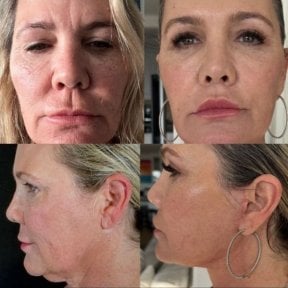
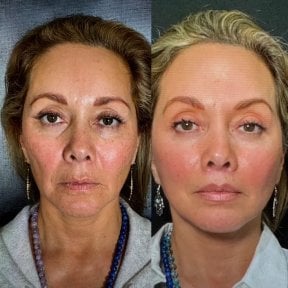
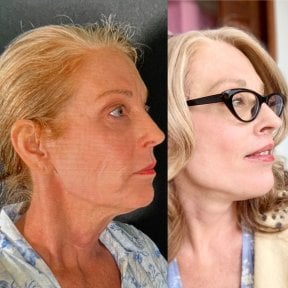
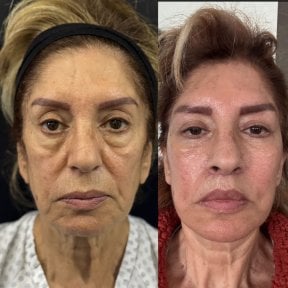
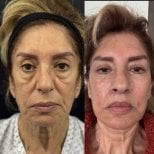
Le cliniche con le migliori valutazioni, tra cui Marroquín & Sandoval Plastic Surgery Clinic (5.0/5, Guadalajara) e José Cortés Institute (5.0/5, Città del Messico), assistono tipicamente i pazienti con una documentazione fotografica completa prima e dopo. Questo servizio aiuta a monitorare i progressi della guarigione e fornisce registrazioni preziose della trasformazione ottenuta attraverso la procedura chirurgica.
Quale valuta viene utilizzata per il pagamento presso le cliniche messicane?
Le strutture mediche in Messico tipicamente addebitano i servizi in Pesos Messicani (MXN). Tuttavia, l'importo equivalente in Dollari USA può variare in base ai tassi di cambio giornalieri. I pazienti devono confermare i tassi di conversione correnti e i metodi di pagamento con la clinica prescelta prima del trattamento.
Sicurezza e tassi di complicazione
L'intervento di lifting facciale ha un eccellente profilo di sicurezza quando eseguito da chirurghi qualificati. Secondo un'analisi completa di 11.300 pazienti pubblicata sull'Aesthetic Surgery Journal, oltre il 98% dei pazienti ottiene risultati positivi senza complicazioni. I problemi più comuni che possono verificarsi includono:
- Ematoma: 1,1% dei pazienti (che richiede drenaggio chirurgico).
- Infezione: 0,3% dei pazienti (trattabile con antibiotici).
- Effetti temporanei sui nervi facciali: 0,85% dei pazienti (tipicamente si risolvono entro 3–6 mesi).
- Problemi di guarigione della pelle: 0,41% dei pazienti.
I pazienti di sesso maschile hanno un rischio relativo 2,8 volte superiore di formazione di ematomi. Le procedure combinate aumentano i tassi di complicazione al 3,7% rispetto all'1,5% per il solo lifting. Queste statistiche dimostrano che l'intervento di lifting facciale è molto sicuro se eseguito da chirurghi plastici certificati in strutture accreditate come quelle verificate attraverso la rete di Bookimed.
Le principali controindicazioni includono:
- Ipertensione non controllata.
- Disturbi emorragici.
- Grave malattia cardiaca o polmonare.
- Infezione attiva.
- Rischio di scarsa guarigione delle ferite.
Sintomi di emergenza che richiedono cure mediche immediate:
- Improvviso gonfiore grave.
- Emorragia incontrollata.
- Mancanza di respiro.
- Dolore toracico.
- Febbre alta (>38,5°C).
- Perdita di movimento facciale.