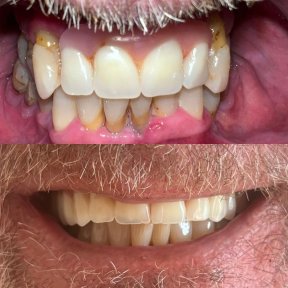
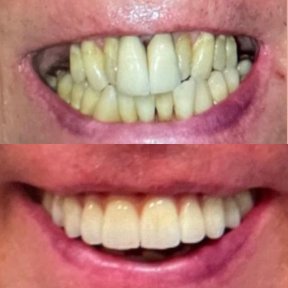
L'innesto osseo non è solitamente necessario per l'All-on-6 in Spagna, poiché i chirurghi inseriscono gli impianti con un'angolazione specifica in un osso più denso. Tuttavia, il rialzo del seno mascellare o l'innesto sono necessari se si presenta una grave perdita di tessuto osseo dovuta a una lunga assenza di denti o a una malattia parodontale avanzata. Le cliniche spagnole utilizzano la scansione CBCT per confermare il volume osseo prima dell'operazione.
- Requisiti ossei: Per una fissazione stabile, gli impianti richiedono solitamente 8 mm di altezza e 4 mm di larghezza.
- Rischi per la mascella superiore: L'espansione del seno richiede spesso un rialzo del seno mascellare per creare uno spazio verticale sufficiente.
- Alternative chirurgiche: Gli impianti zigomatici o pterigoidei possono bypassare completamente l'osso mascellare nei casi più gravi.
- Impatto sui tempi: Una grave perdita ossea richiede un periodo di guarigione separato da 3 a 9 mesi.
Opinione dell'esperto Bookimed: Gli specialisti spagnoli, come il Dr. Alaa Guzlan presso la Clínica Dental Raíces, utilizzano scanner intraorali 3D per visualizzare istantaneamente la topologia ossea. Sebbene molte cliniche offrano l'impianto in un giorno, questi pacchetti premium solitamente escludono i costi dell'innesto. Se la CBCT mostra una densità insufficiente, prevedere un supplemento da 500 a 1500 dollari o considerare l'All-on-4 per ridurre il numero totale di impianti.
Consenso dei pazienti: I pazienti sottolineano che, sebbene la procedura sia pubblicizzata come priva di innesto, la mascella superiore richiede spesso una minima conservazione della cresta. Il carico immediato nello stesso giorno è molto desiderabile per i viaggiatori per evitare molteplici viaggi in Spagna.