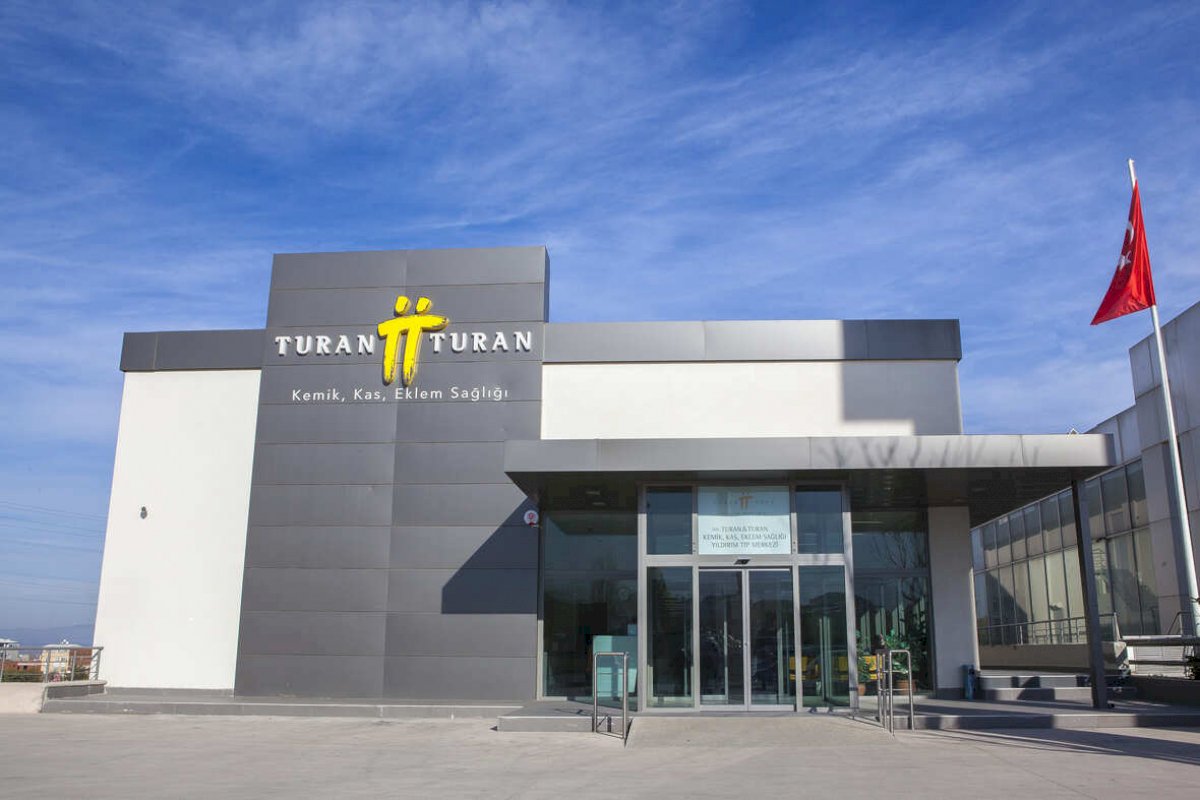
The cost of a course of treatment with own stem cells in Turkey ranges from approximately $3,000 to $15,000, depending on the procedure and clinic. The stem cell treatment itself costs around $4,000, with additional expenses such as initial consultation, preoperative diagnostic tests, and evaluation by an anesthesia specialist contributing to the total price of approximately $4,400. Some packages may include services like hotel accommodation, VIP transfers, and post-treatment care.
| Turkey | Stati Uniti | Messico | |
| Course of treatment with own stem cells | da $4,500 | da $12,000 | da $6,000 |
Revisionato medicalmente da
Fahad MawloodBookimed non aggiunge costi extra ai prezzi di Course of treatment with own stem cells. Le tariffe provengono dai listini ufficiali delle cliniche. Pagherai direttamente in clinica per la tua Course of treatment with own stem cells al tuo arrivo.
Bookimed si impegna per la tua sicurezza. Lavoriamo solo con strutture che mantengono elevati standard internazionali in Course of treatment with own stem cells e hanno le licenze necessarie per servire pazienti internazionali in tutto il mondo.
Bookimed offre assistenza esperta gratuita. Un coordinatore medico personale ti supporta prima, durante e dopo il trattamento, risolvendo qualsiasi problema. Non sarai mai solo nel tuo percorso di Course of treatment with own stem cells.
Day 1
Day 2
Day 3
Day 4
Day 5-7
Week 2-6
Week 7
Please note that each case is individual and the timeline may vary depending on the patient"s condition and the specialist"s recommendations.
Prof. Cemal Firat specializes in reconstructive surgery and has extensive experience in microsurgery and nerve injuries at Medical Park Antalya Hospital Complex.
Specializes in orthopedic oncology and trauma surgery – Dr. Demiralp has extensive experience in limb-sparing surgeries and autologous stem cell treatments.
Dr. Mohammed Alhelou specializes in reconstructive and aesthetic surgery with a focus on microsurgery techniques at Elixirmed Clinic.
Associate Professor Mustafa Ozdemir specializes in radiology with extensive experience in stem cell treatments at Medipol Acibadem District Hospital.
Healthcare is the key development sector of the Turkish government. The Turkish authorities are convinced that care for the citizens' health should be an absolute priority of state policy and spend about 77 billion liras for healthcare annually.
As a result, 28,000 medical facilities provide excellent medical care in the country. About 50 centers have certificate of JCI (Joint Commission International), the international improver of healthcare quality and safety across the globe. The index of certificates obtained is the largest. To compare, Israel has 20 JCI-accredited facilities, and Germany — only 10 clinics of this type.
| Currency | lira (you also can pay for services in dollars and euros) |
| Best period for the trip | May-October |
| Language | Turkish (most of medical staff speaks English fluently) |
| Visa | is not required for a trip of at least 30 days per visit |
| Time difference with Europe | 3 hours |
| Time difference with the USA | 8 hours |
| Capital | Ankara |
| Medical tourism center | Istanbul |
| Popular resorts | Alanya, Antalya, Kemer, Marmaris |
In Turkey, hotels of different price ranges and service levels are presented. The level of Turkish hotels is comparable to hotels in Tunisia, Morocco or Egypt. Most tourists choose 4 and 5 star hotels with all-inclusive meals. Such hotels have everything for a comfortable stay: varied food, a large well-groomed territory, animation for children and adults. Some hotels have their own water park, which guests can use for free. Budget travelers can afford to book an economical 3-star hotel with half board or no meals at all.
The main advantage of Turkish resorts is the long beach season. On the Mediterranean coast, it starts in April and lasts until November. In the resorts of the Aegean Sea — from May to October. The most comfortable time for swimming is from mid-June to the end of October. A large influx of tourists is in July-August, when the air temperature is +38°C, and the water warms up to +27°C.
In 2020, the Republic of Turkey has visa-free agreements with 89 states. Some foreigners are exempted from obtaining entry visas, others are required to receive an electronic visa (e-Visa), and still others must apply for a visa at Turkish missions abroad.
What states need a visa for treatment in Turkey and what countries can cross the border free and easy read here.
Visas for travel to Turkey require a number of documents. The necessary papers can be submitted 90 days before the planned departure. Lists of documents includes: