Vai alla homepage
4.6/5
TrustPilot

I migliori medici di Rimozione del gibbo nasale in Corea del Sud — TOP-7 medici

Confronta i migliori medici di Rimozione del gibbo nasale e i prezzi in Corea del Sud. Trova qui la tua scelta ideale.

Richiedi preventivi da 3 migliori specialisti di Rimozione del gibbo nasale in Corea del Sud

Selezioneremo i migliori medici in base alle tue esigenze e al tuo budget.

Medici top

7

Corea del Sud

Recensioni

14000+

Da pazienti reali

Scegli il paese con i migliori prezzi per i servizi medici

Confronta i prezzi di Rimozione del gibbo nasale nei principali paesi

Tocca un paese per vedere i migliori medici e i prezzi

Thailand
Ukraine
Turkey
Mexico
Poland
Czech Republic
$400 - $3,500
$2,200 - $3,200
$2,200 - $3,400
$3,000 - $6,000
$3,500 - $7,000
$3,500 - $6,000
$0
$2,000
$4,000
$6,000

Ricevi piani di trattamento personalizzati gratuiti e scegli l'opzione migliore. Nessun impegno · Nessun costo per i nostri servizi

44 persone hanno richiesto un preventivo lo scorso mese

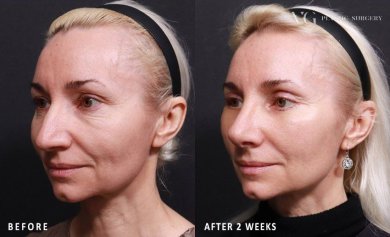
Before and after nasal hump removal at VG Plastic Surgery, smoother nose profile result
Park Sangwook

Park Sangwook

10 anni di esperienza
Clinica certificata da
Korean Institute for Healthcare Accreditation
Località: Corea del Sud, Seul

Dr. Park Sangwook is a board-certified plastic surgeon and the Director of VG Plastic Surgery in Seoul. He completed his residency at Seoul St. Mary’s Hospital. He specializes in rhinoplasty and facial contouring. The doctor previously served as a Director at DA Plastic Surgery Clinic.

  • Full member of the Korean Society for Aesthetic Plastic Surgery (KSAPS).
  • Belongs to the Korean Cleft Palate-Craniofacial Association.
  • Performs revision rhinoplasty, cheekbone reduction, and alarplasty.
  • Treats patients at VG Plastic Surgery, a KOIHA-accredited facility.
Visita dal medicoPrezzo su richiesta
Seoul Miz Hospital (서울미즈병원)
Seung-hyung Noh

Seung-hyung Noh

26 anni di esperienza
Località: Corea del Sud, Seul

Dr. Seung-Hyung Noh is a board-certified plastic surgeon at Seoul Miz Hospital. He specializes in complex revision surgery for major aesthetic procedures. Trained at Hanyang University and completed a clinical program at Columbia University in New York. Dr. Noh emphasizes natural results through the least necessary surgical intervention.

  • Specializes in revision cases requiring precise technique and surgical judgment.
  • Full member of the Korean Society of Plastic and Reconstructive Surgeons (KSPRS).
  • Performs a wide range of procedures from rhinoplasty to stem cell rejuvenation.
  • Works at Seoul Miz Hospital, a facility treating 200,000 patients annually.
Prezzo del pacchetto da$2,000
Wonjin Plastic Surgery Clinic
Lee Hyuck Jae

Lee Hyuck Jae

19 anni di esperienza
Località: Corea del Sud, Seul

Dr. Lee Hyuck Jae is a board-certified surgeon. He graduated from Chosun University College of Medicine. He completed his training at Bundang Jesaeng Hospital, where he gained strong clinical experience.

Dr. Lee is a member of several professional organizations. These include the Korean Society of Plastic Surgery, the Korean Society of Cosmetic Surgery, the Korean Society of Plastic Surgeons, the Korean Society of Imaging Science, the Eye Surgery Research Association, and the Rhinoplasty Research Association.

He has worked at Yuno Plastic Surgery Clinic and Do Dream Plastic Surgery. He has contributed to the field through his clinical work and research.

Visita dal medicoPrezzo su richiesta
BIOFACE Clinic
Jooyoung Park

Jooyoung Park

18 anni di esperienza
Clinica certificata da
Korean Institute for Healthcare Accreditation
Località: Corea del Sud, Seul

Dr. Jooyoung Park has trained over 300 physicians in filler and HIFU techniques. He is a board-certified dermatologist and the CEO of BIOFACE Clinic in Seoul. Dr. Park completed his residency at the prestigious Seoul National University Hospital. He serves as an advisor for L&C BIO on dermatologic injectable trials.

  • Winner of the Excellence in Education Award from the Korean Society of Aesthetic Medicine.
  • Clinical advisor for biotech firms on neck-generation filler and medical device development.
  • Member of the Korean Academy of Laser Medicine and the World Society for Laser Medicine.
  • Performs stem cell therapy, thread lifting, and specialized anti-aging protocols.
Visita dal medicoPrezzo su richiesta
Wonjin Plastic Surgery Clinic
Yoo Jang Seok

Yoo Jang Seok

24 anni di esperienza
Località: Corea del Sud, Seul

Dr. Yoo Jang Seok graduated from Hanyang University. He is a member of several respected medical societies, such as the Korean Society for the Study of Obesity, the Korean Society of Cosmetic Surgery and Laser Medicine, and the Korean Society of Aesthetic Plastic Surgery. He also belongs to the Korean Academy of Cosmetic Surgery and the Korean Society of Obesity and Body Contouring.

Dr. Yoo has broad clinical experience. He has worked at Ro&Skin Dermatology, Seoksu Union Clinic, Miso Dream Dermatology, NU Dermatology, and Erne Clinic. His memberships and work history show his dedication to cosmetic surgery, dermatology, and obesity treatment.

Visita dal medicoPrezzo su richiesta
Wonjin Plastic Surgery Clinic
Kang Moon Seok

Kang Moon Seok

23 anni di esperienza
Località: Corea del Sud, Seul

Dr. Kang Moon Seok is a plastic surgeon at Wonjin Plastic Surgery Clinic in Seoul. He was named the top medical resident by the Korean Society of Plastic Surgeons. Dr. Kang graduated Summa Cum Laude from SoonChunHyang University. He is a member of the American Society of Plastic Surgeons.

  • Serves as an adjunct professor at SoonChunHyang University Hospital.
  • Sits on the steering committee for anti-aging and rhinoplasty research groups.
  • Treats patients at a clinic that serves over 5,000 international cases annually.
  • Member of the International Society of Aesthetic Plastic Surgery.
Visita dal medicoPrezzo su richiesta
Wonjin Plastic Surgery Clinic
Lee Jong Seok

Lee Jong Seok

12 anni di esperienza
Località: Corea del Sud, Seul

Dr. Lee Jong Seok is a plastic surgeon at Wonjin Plastic Surgery Clinic in Seoul. He specialized in facial reconstruction and aesthetic procedures at Korea University School of Medicine. Dr. Lee completed his clinical training at UChicago Medicine in the United States.

  • Member of the Eye Surgery and Rhinoplasty Research Societies in Korea.
  • Treats complex cases of cleft palate and craniofacial malformations.
  • Performs specialized eyelid corrections and multi-method rhinoplasty.
  • Works at a center treating over 5,000 international patients annually.
Visita dal medicoPrezzo su richiesta

Scegliere una clinica all'estero può essere stressante. Da Bookimed, con oltre 800.000 pazienti aiutati, comprendiamo le tue preoccupazioni. Sappiamo come trovare medici affidabili, le migliori opzioni per rapporto qualità-prezzo e soluzioni anche per casi complessi. Siamo qui per guidarti in ogni fase del tuo percorso sanitario.

Yan Matsiivskiy

Capo del team dei coordinatori medici

Oltre 4300+ viaggi assistiti di pazienti

3 anni su Bookimed

60 pazienti da South Korea hanno trovato il loro medico tramite noi questo mese

Come troverai il medico perfetto per te

1

Quiz da 2 minuti

Dicci il tuo obiettivo, budget e tempistiche

2

Abbinamento umano + IA

Il nostro algoritmo trova le corrispondenze, il coordinatore verifica l'idoneità

3

Le tue opzioni pronte

Confronta prezzi, pacchetti, date. Chatta con il tuo coordinatore

Tante opzioni e non sai cosa scegliere?

Il tuo personale Il coordinatore Bookimed ti aiuta a trovare il chirurgo perfetto per le tue esigenze

  • Ti supporta 24/7 in ogni fase
  • Ti aiuta a trovare il medico più adatto e gestisce tutte le comunicazioni con le cliniche
  • Coordina viaggio, alloggio e trasferimenti

Guida il tuo percorso di cura

Coordinatori personali medici qualificati

Peguy Beaugris
Tetyana Hyrych
Zekra Eldeeb
Victoria Olayinka
Iryna Sydorchuk
Tetiana Ihnatiuk

Come scegliere il medico e la clinica giusti: consigli degli esperti

Quando scegli un medico o una clinica, tieni presente questi punti chiave:
Controlla le credenziali
Verifica le certificazioni di enti come ISAPS, JCI o degli ordini medici pertinenti.
Verifica i tassi di successo
Scegli medici con grande esperienza e comprovata competenza nel trattamento specifico.
Leggi le recensioni dei pazienti
Recensioni reali dei pazienti Bookimed per conoscere la loro esperienza.
Assicura una comunicazione efficace
Scegli cliniche che offrono servizio di traduzione per facilitare il trattamento.
Chiedi informazioni sui servizi
Conferma se il prezzo include servizi come alloggio, trasferimenti locali e assistenza post-trattamento per evitare costi nascosti.

Bookimed Insights: Principali specialisti in Rimozione del gibbo nasale in Corea del Sud (2026)

Bookimed ha coordinato 1 richieste per Rimozione del gibbo nasale in Corea del Sud, collaborando con 7 specialisti di alto livello. I medici in questa tabella sono selezionati in base alle loro credenziali internazionali, esperienza clinica e risultati dei pazienti. La classifica del 2026 è composta da dati verificati su casi reali e dai programmi attuali delle nostre cliniche partner.
ClassificaMedicoesperienzaBuona scelta perCosa li distingueClinica e posizioneConsulto

FAQ: Medici per Rimozione del gibbo nasale in Corea del Sud

Queste domande frequenti provengono da pazienti reali che cercano assistenza medica tramite Bookimed. Le risposte sono fornite da coordinatori medici esperti e rappresentanti affidabili delle cliniche.

Who are the top-ranked nasal hump removal specialists in Korea?

Top-ranked nasal hump removal specialists in Korea include board-certified surgeons like Dr. Park Sangwook and Dr. Kang Moon Seok. These experts utilize advanced training from institutions like Seoul National University and Columbia University. They focus on precise bone rasping and autologous grafting for natural results.

  • Specialized training: Dr. Seung-hyung Noh at Seoul Miz Hospital trained at Columbia University in New York.
  • Research leadership: Dr. Kang Moon Seok serves on the KSPRS Rhinoplasty Research Society steering committee.
  • Academic expertise: Dr. Seung-il Chung holds a Ph.D. and is an adjunct professor in plastic surgery.
  • Minimal intervention: Dr. Park Sangwook at VG Plastic Surgery specializes in minimally invasive nasal techniques.

Bookimed Expert Insight: A notable trend in Seoul is the deep involvement of surgeons in specialized research associations. For example, three specialists at Wonjin Plastic Surgery Clinic belong to the Rhinoplasty Research Association. This suggests a collaborative focus on perfecting dorsal hump correction rather than just performing general aesthetic procedures.

Patient Consensus: Patients notice that Korean surgeons often prefer using rib cartilage or other autologous grafts to ensure long-term stability. They feel more comfortable with the conservative approach used by many specialists to preserve nasal tip support. Many are surprised that significant swelling often subsides within two weeks.

How can I verify a doctor's credentials in South Korea?

Qualified doctors in South Korea for nasal hump removal hold board certifications from the Ministry of Health and Welfare. Top specialists maintain memberships in the Korean Society of Plastic and Reconstructive Surgeons (KSPRS). Bookimed ensures surgeons at clinics like BIOFACE and Wonjin meet strict national safety standards.

  • Board certification: Surgeons hold official credentials from the Ministry of Health and Welfare.
  • Specialized memberships: Top doctors belong to the Rhinoplasty Research Society for advanced techniques.
  • Clinic registration: Facilities must carry medical malpractice insurance to treat international patients safely.
  • Hospital accreditation: Leading centers hold KOIHA accreditation for high patient safety and quality.

Bookimed Expert Insight: Data shows that top Korean surgeons often share expertise through international training. Dr. Lee Jong Seok of Wonjin Plastic Surgery Clinic completed clinical training at UChicago Medicine. Dr. Jooyoung Park from BIOFACE Clinic has coached over 300 physicians in aesthetic techniques. This blend of global education and local experience defines the high standard of care in Seoul.

Patient Consensus: Patients note that board-certified surgeons display a red plaque at their clinic entrance. They appreciate how doctors use detailed scans to plan the hump removal. Many feel more comfortable knowing the facility is officially registered to treat foreign arrivals.

What should I ask a surgeon during a consultation for a dorsal hump?

When consulting for nasal hump removal in Korea, ask about the anatomical composition of your hump. You must determine if the bump consists of bone, cartilage, or a blend of both. Inquire about structural support and whether the surgeon will use osteotomy to refine the bridge.

  • Surgical technique: Ask if they prefer rasping for small humps or osteotomy for larger bone reductions.
  • Structural support: Inquire about using spreader grafts to prevent nasal passage collapse after reducing the hump.
  • Grafting needs: Ask if ear or rib cartilage is necessary to maintain balance after the removal.
  • Revision rates: Request their specific revision rate for dorsal irregularities like the polly beak deformity.

Bookimed Expert Insight: Many top surgeons in Seoul hold leadership roles in the Rhinoplasty Research Society of the Korean Society of Plastic and Reconstructive Surgeons. This ensures their techniques for hump reduction are discussed among the country's leading specialists. For example, Dr. Kang Moon Seok serves on the steering committee of this specialized research group.

Patient Consensus: Patients note that some Korean clinics hold very fast sessions, so recording the consultation helps later. They suggest asking to see photos of previous patients who had similar humps and skin thickness. Many were surprised to learn that tip support is often needed to prevent drooping after hump shaving.

Do Korean doctors prefer open or closed rhinoplasty for hump removal?

Korean surgeons frequently prefer the open approach for nasal hump removal to maintain high surgical precision. While closed techniques suit minor filing, the open method allows full visibility for complex restructuring. Specialists often choose this path when hump reduction requires additional bridge augmentation or tip refinement.

  • Surgical visibility: Open access provides a direct view of the nasal structure for balanced results.
  • Osteotomy precision: Surgeons can more accurately perform controlled fractures to close the nasal roof.
  • Structural support: This method allows for predictable placement of spreader grafts to prevent bridge collapse.
  • Enhanced control: Open rhinoplasty is the standard for combining hump removal with cartilage grafting.

Bookimed Expert Insight: Data shows a strong correlation between academic leadership and rhinoplasty specialization in Seoul. For instance, Dr. Kang Moon Seok serves on the Rhinoplasty Research Society steering committee. Similarly, Dr. Lee Hyuck Jae is a member of the same research association at Wonjin Plastic Surgery Clinic. This involvement suggests that top Korean surgeons prioritize methods backed by the latest research in nasal symmetry.

Patient Consensus: Patients note that surgeons often recommend the closed technique for isolated rasping of smaller humps to avoid external scars. However, many were surprised that open surgery was necessary for larger humps to prevent long-term irregularities. Those undergoing revisions often find that the open approach provides the control needed to fix previous asymmetries.

Will the doctor only remove the hump or change the whole nose?

South Korean surgeons typically reshape the entire nose to maintain facial balance and structural integrity. Simply removing a hump often creates an unnaturally wide bridge or a drooping tip. Most specialists perform a comprehensive redesign to ensure your profile looks natural and functions properly after surgery.

  • Structural balance: Removing a hump can make the nasal tip appear too long or droopy.
  • Bridge narrowing: Surgeons often reset nasal bones to close gaps left after hump reduction.
  • Functional support: Adjusting the tip prevents internal collapse and maintains healthy airflow for breathing.
  • Aesthetic harmony: Doctors refine the entire bridge and tip to match your unique facial features.

Bookimed Expert Insight: Many top Korean specialists hold memberships in the dedicated Rhinoplasty Research Society or have international training from institutions like Columbia University or UChicago Medicine. Dr. Kang Moon Seok at Wonjin Plastic Surgery Clinic or Dr. Seung-hyung Noh at Seoul Miz Hospital focus on natural results through minimal intervention. This specialized focus helps them avoid overtreatment while still addressing the entire nasal structure for a cohesive look.

Patient Consensus: Patients note that while they initially only wanted the hump removed, they realized a full redesign was better for harmony. Many were surprised that a tip lift was necessary to prevent a 'ski slope' look. They often feel much more confident with a nose that matches their whole face.

Is it possible to have breathing issues fixed at the same time?

Yes, combining nasal hump removal with breathing correction is standard practice in South Korea. Surgeons often perform septoplasty or turbinate reduction during the same session. This dual approach improves airflow while refining the nasal bridge. It ensures a stable foundation for your cosmetic results.

  • Functional integration: Surgeons fix deviated septums while shaving the nasal hump for better airflow.
  • Single recovery: Consolidating procedures means only one healing phase and one anesthesia session.
  • Advanced diagnostics: Clinics use detailed scans to detect valve collapse or internal airway blockages.
  • Specialized expertise: Many doctors hold memberships in the Korean Rhinoplasty Research Society for functional skill.

Bookimed Expert Insight: Data shows that top Seoul surgeons, like Dr. Kang Moon Seok at Wonjin Plastic Surgery, often serve on steering committees for rhinoplasty research. This leadership indicates they stay updated on techniques that balance lung-deep breathing with aesthetic shaving. Patients should look for doctors with International Society of Aesthetic Plastic Surgery (ISAPS) membership to ensure globally recognized surgical standards.

Patient Consensus: Patients note that requesting a formal breathing evaluation during the first consult is vital. They found that getting a pre-operative CT scan made a huge difference in their final satisfaction. Many describe the improvement in their breathing after simultaneous septum and hump correction as a night-and-day change.

What kind of aftercare do doctors provide for international patients?

South Korean surgeons provide structured recovery protocols featuring English wound care guides and digital monitoring for international patients. Many specialists hold international credentials from institutions like Columbia University or UChicago Medicine. These experts coordinate early healing stages before patients return home after 10 to 14 days.

  • Virtual monitoring: Surgeons use KakaoTalk or WhatsApp for remote wound inspections and healing updates.
  • Safety clearances: Doctors establish precise timelines for flying home to avoid post-surgical complications.
  • Administrative support: Patient teams provide translated medical records and operative reports for hometown physicians.
  • Recovery coordination: Clinics arrange basic monitoring and meal services in specialized local recovery facilities.

Bookimed Expert Insight: Data shows that leading Seoul clinics, such as Wonjin Plastic Surgery, involve surgeons who are active members of the Rhinoplasty Research Society. This academic focus means patients benefit from specialized techniques in nasal contouring. For example, Dr. Kang Moon Seok serves on multiple steering committees, ensuring aftercare reflects the latest clinical standards in the field.

Patient Consensus: Patients note that while clinics provide digital care packets and quick message replies, preparing your own supplies like saline is helpful. Many felt relieved having 24/7 access to their coordinator for questions about swelling or stitch removal photos.