Ilya Opanassyuk
- 4.6 Eccellente • 70 recensioni
- 5 anni di esperienza
- Repubblica Ceca, Praga, Centro Medico Altos
Iniezioni di Botox
$225.07 - $675.2
Rimozione cicatrici con laser
$225.07 - $675.2
Guarda il portfolio
Primario e professore. Esperto di Grado 1 presso il Cancer Center, West China Hospital, Università del Sichuan (classificato al 2° posto in Cina). Ha completato un post-dottorato in radiologia interventistica presso il Chinese PLA General Hospital. Guida l'assistenza del team multidisciplinare (MDT) per tumori complessi. Esperto in oncologia interventistica mininvasiva per tumori al fegato, polmone e pancreas.
Accreditamenti: Membro del Consiglio, WATA. Membro dei comitati CACA e CMDA su intervento, ablazione, semi radioattivi e dolore. Nel 2023, membro fondatore del Comitato per le Cure Palliative, Sichuan MDA. Membro del comitato editoriale del Chinese Journal of Interventional Imaging and Therapy. Membro del comitato editoriale del Chinese Journal of Pain Medicine.
Dirige 2 progetti provinciali di scienza e tecnologia e 2 progetti NSFC. Ha oltre 40 pubblicazioni, di cui oltre 30 come primo autore o autore corrispondente. Fattore di impatto più alto: 10,73. Coorte di carcinoma epatocellulare (HCC): TACE + lenvatinib vs TACE + sorafenib. OS 18,97 vs 10,77 mesi. PFS 10,6 vs 5,4 mesi. ORR 66,8% vs 33,3%.
Guarda il portfolio
Il Dr. Anar Mahmudov è un dermatologo presso l'ospedale Liv Bona Dea di Baku. È specializzato in dermatologia clinica e procedure estetiche. Ha completato la specializzazione e la formazione post-laurea presso l'Università Medica Sechenov di Mosca. Il Dr. Mahmudov tratta malattie della pelle, disturbi dei capelli ed esegue trapianti di capelli.
Guarda il portfolio
Il professor Luo Xiaoping è un radiologo interventista riconosciuto a livello nazionale e un'autorità di spicco nella Cina occidentale. Ha iniziato a sperimentare gli interventi vascolari all'inizio degli anni '90. Ha contribuito a fondare il Gruppo di Intervento presso il Secondo Ospedale Affiliato dell'Università Medica di Chongqing.
Ha completato oltre 100.000 procedure interventistiche, inclusi circa 4.000 casi complessi. Le sue competenze chiave includono TACE per il carcinoma epatocellulare, interventi per la sindrome di Budd-Chiari, TIPS e posizionamento di stent bilaterali in un'unica fase per l'ostruzione biliare ilare, con tassi di successo vicini al 100%. È supervisore di master dal 2007. Ha formato molti medici, guidato casi complessi in oltre 40 grandi ospedali nella Cina occidentale e contribuito a costruire programmi di intervento. Ha pubblicato 32 articoli come primo autore o autore corrispondente (22 nel nucleo CSCD, 4 nel nucleo cinese, 6 nel CSCD esteso).
Il Dr. Dov Zippel è un chirurgo oncologo e responsabile del Meirav Breast Center. Forbes Israel lo ha inserito nella lista dei migliori medici nel 2025. Tratta tumori mammari benigni e maligni e melanoma presso lo Sheba Medical Center. Il Dr. Zippel ha completato un fellowship in chirurgia oncologica presso l'Università di Calgary in Canada.
Il professor Xiao Yueyong è medico primario presso il Dipartimento di Diagnostica Radiologica dell'Ospedale Generale dell'Esercito Popolare di Liberazione Cinese. È un esperto di spicco in oncologia interventistica mininvasiva. Ricopre la carica di presidente inaugurale della WATA (dal 2025). È presidente delle Società Internazionale (dal 2020) e Asiatica (dal 2012) di Crioterapia. È inoltre vice capo del gruppo di esperti NHC sulle normative per l'ablazione tumorale (dal 2009).
Ha eseguito oltre 100.000 procedure mininvasive guidate da TC/RM. Il suo lavoro copre l'ablazione chimica, RFA, MWA, crioablazione e NanoKnife (IRE). Ha introdotto e fatto progredire l'ablazione NanoKnife in Cina. Ha guidato i primi standard nazionali per la crioablazione tumorale e NanoKnife.
Tra i riconoscimenti figurano il National Special Contribution Award (onorario a vita). Ha ricevuto il Primo Premio dalla Chinese Medicine Education Association (2021). Ha ricevuto due Secondi Premi per i risultati in medicina militare (2016, 2018) e due Secondi Premi dalla China Anti-Cancer Association (2019, 2022). È stato nominato Asian Ablation Master. Il suo record di ricerca include 13 brevetti cinesi. È il ricercatore principale per quattro progetti NSFC e un progetto MOST. Ha pubblicato oltre 200 articoli, di cui oltre 110 come primo autore o autore corrispondente e oltre 40 su riviste SCI. Ha guidato oltre 10 linee guida o dichiarazioni di consenso sull'ablazione.
La Dott.ssa Asli Tatliparmak è professore associato di dermatologia presso l'ospedale Memorial Bahçelievler. È una riconosciuta curatrice di due libri medici internazionali. La Dott.ssa Tatliparmak è specializzata in estetica medica e patologie cutanee complesse. È membro dell'Accademia Europea di Dermatologia e Venereologia.
Guarda il portfolio
La Dott.ssa Tamara Kopp è consulente dermatologa presso la Wiener Privatklinik di Vienna. Combina la precisione clinica con la dermatologia estetica per una salute della pelle personalizzata. La Dott.ssa Kopp ha ricoperto in precedenza un ruolo senior presso una clinica dermatologica di primo piano. Ha completato la sua formazione specialistica presso l'Ospedale Generale di Vienna.
La Dott.ssa Christiane Thallinger è specialista in cancro della pelle e dermatologia oncologica presso la Wiener Privatklinik. È un'esperta riconosciuta nel trattamento del melanoma e del carcinoma basocellulare in Austria. La Dott.ssa Thallinger si concentra sulla gestione delle complicazioni cutanee causate dalle terapie oncologiche. In precedenza, ha ricoperto il ruolo di medico senior presso l'Università Medica di Vienna.
Il Dr. Muhammed Mustafa Atci è professore associato di Oncologia Medica presso il Liv Hospital Topkapı. È specializzato nel trattamento dei tumori al colon, al seno, allo stomaco e ai polmoni. In precedenza ha ricoperto il ruolo di coordinatore della formazione presso l'Ospedale Cittadino Prof. Dr. Cemil Taşcıoğlu. Il Dr. Atci è membro dell'American Society of Clinical Oncology (ASCO).
Il Dr. Ehsan Sotoudeh è un chirurgo generale ed esperto di estetica presso Eden Aesthetics. Utilizza la mappatura avanzata dei nei e la dermatoscopia digitale per valutazioni cutanee precise.
Zhang Jinshan, male, China’s First M.D. in the Radiation Medicine, CCI (Chinese College of Interventionalists) Master Interventionalist, Director of the Department of Former Radiological Diagnosis at Chinese PLA General Hospital(No.3 in China) Ph.D. of Medicine, Nagasaki University, Japan.
1980–1985: Completed doctoral studies at Nagasaki University, Japan
1968–present: Department of Radiology, Chinese PLA General Hospital
1988: Third Prize of the Military Science and Technology Progress Award
1989–present: Member of Radiological Society of North America(RSNA)
1990–2009: Standing Committee Member of the Radiology and Therapeutic Radiology Committee of the PLA
1991: Second Prize of the Military Science and Technology Progress Award
1992–2008: Group Leader of the Group of Intervention of Chinese Journal of Radiology
1992–2015: Standing Editorial Board Member and Editorial Board Member of Journal of Interventional Radiology
1993: Granted the Lifetime Special Government Allowance of the State Council
1993–2012: Deputy Chief Editor of Chinese Journal of Medical Image Technology
1994: Third Prize of the Military Science and Technology Progress Award
1997: Second Prize of the Military Science and Technology Progress Award
1997–2009: Standing Member of Chinese Society of Radiology
1999: Third Prize of the Military Science and Technology Progress Award
1999–2010: Deputy Director Member of Chinese Society of Interventional Oncology
2002: Second Prize of the Military Science and Technology Progress Award
2005: Third Prize of the Military Science and Technology Progress Award
Member of Radiological Society of North America(RSNA)
Standing Member of Chinese Society of Radiology
Group Leader of the Group of Intervention of Chinese Journal of Radiology
Deputy Director Member of Chinese Society of Interventional Oncology
Director Member of Beijing Medical Association Society of Interventional Radiology
Deputy Chief Editor of Chinese Journal of Medical Image Technology
Standing Member of Professional Committee of Radiological Medicine of the Chinese People’s Liberation Army
Standing Editorial Board Member and Editorial Board Member of Journal of Interventional Radiology
Awarded the Special Government Allowance of the State Council
Awarded three Second Prizes and four Third Prizes for Military Science and Technology Progress.
Awarded the honorary title of “Chinese College of Interventionalists(CCI) Master Interventionalist”
Led multiple national and provincial/ministerial scientific research projects, including two projects funded by the National Natural Science Foundation of China and two projects funded by the Department of Science and Technology of Sichuan Province.
In the pioneering development of interventional medicine in China, Zhang Jinshan has been an indispensable founder and leading figure. As China’s first overseas-trained doctoral graduate in radiological medicine, he returned to China in the 1980s after completing his studies abroad and introduced cutting-edge international interventional technologies to the country. Over more than four decades of dedicated practice and research, he has helped propel Chinese interventional medicine from its infancy to a position at the forefront of the global field through his exceptional clinical expertise and profound academic accomplishments.
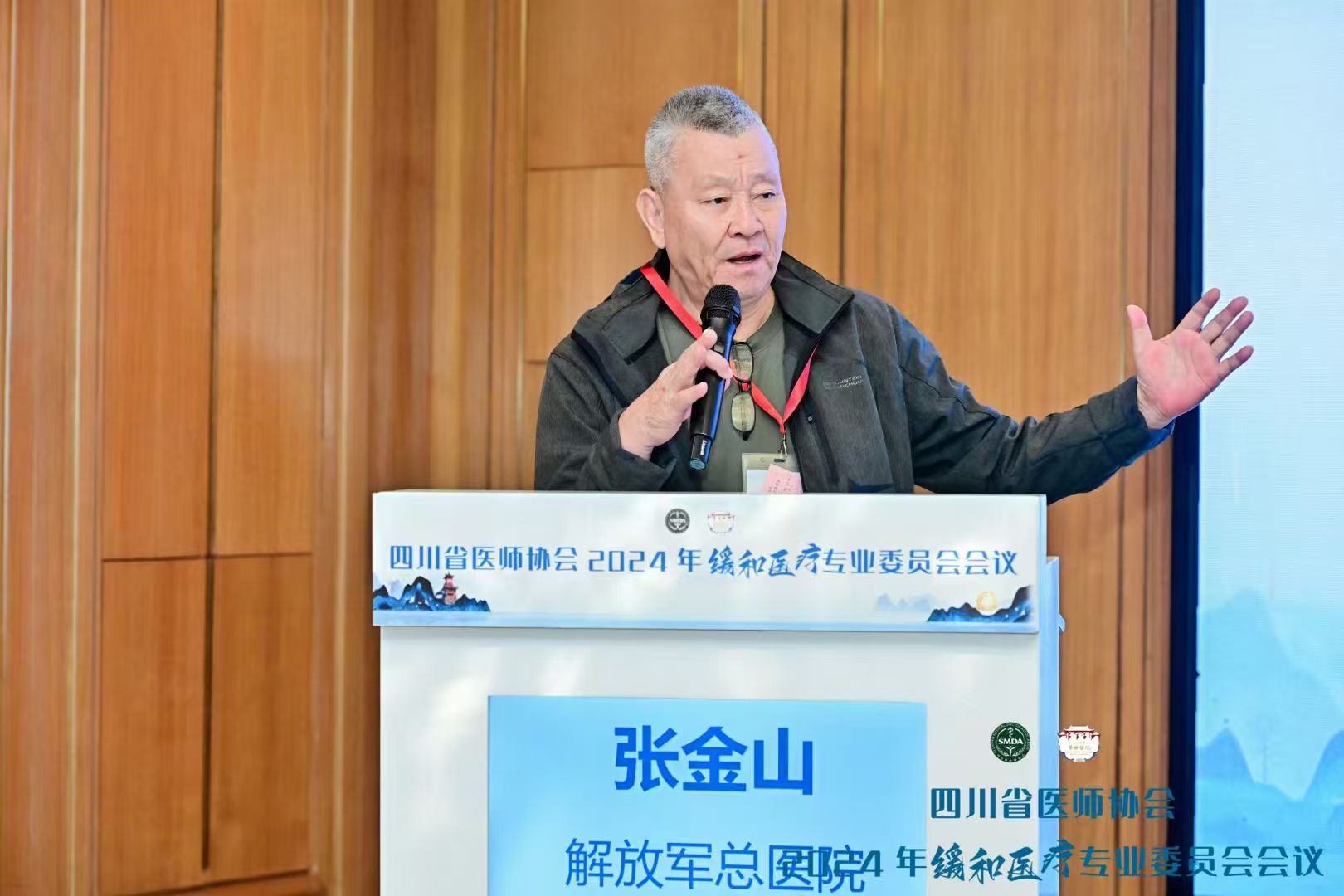
Professor Zhang Jinshan has long been dedicated to the field of medical imaging and has developed distinctive expertise in selective and superselective interventional diagnosis and treatment for solid tumors such as liver cancer, demonstrating exceptional technical proficiency and profound academic accomplishment. Beginning in the 1990s, he led his team in pioneering the clinical application and research of TIPSS and B-ORTO in China, filling major gaps in the domestic field and opening new paths for the interventional management of gastrointestinal bleeding caused by portal hypertension secondary to liver cirrhosis. In addition, he has made groundbreaking contributions to the interventional diagnosis and treatment of peripheral vascular diseases, as well as to preoperative embolization for spinal tumors.
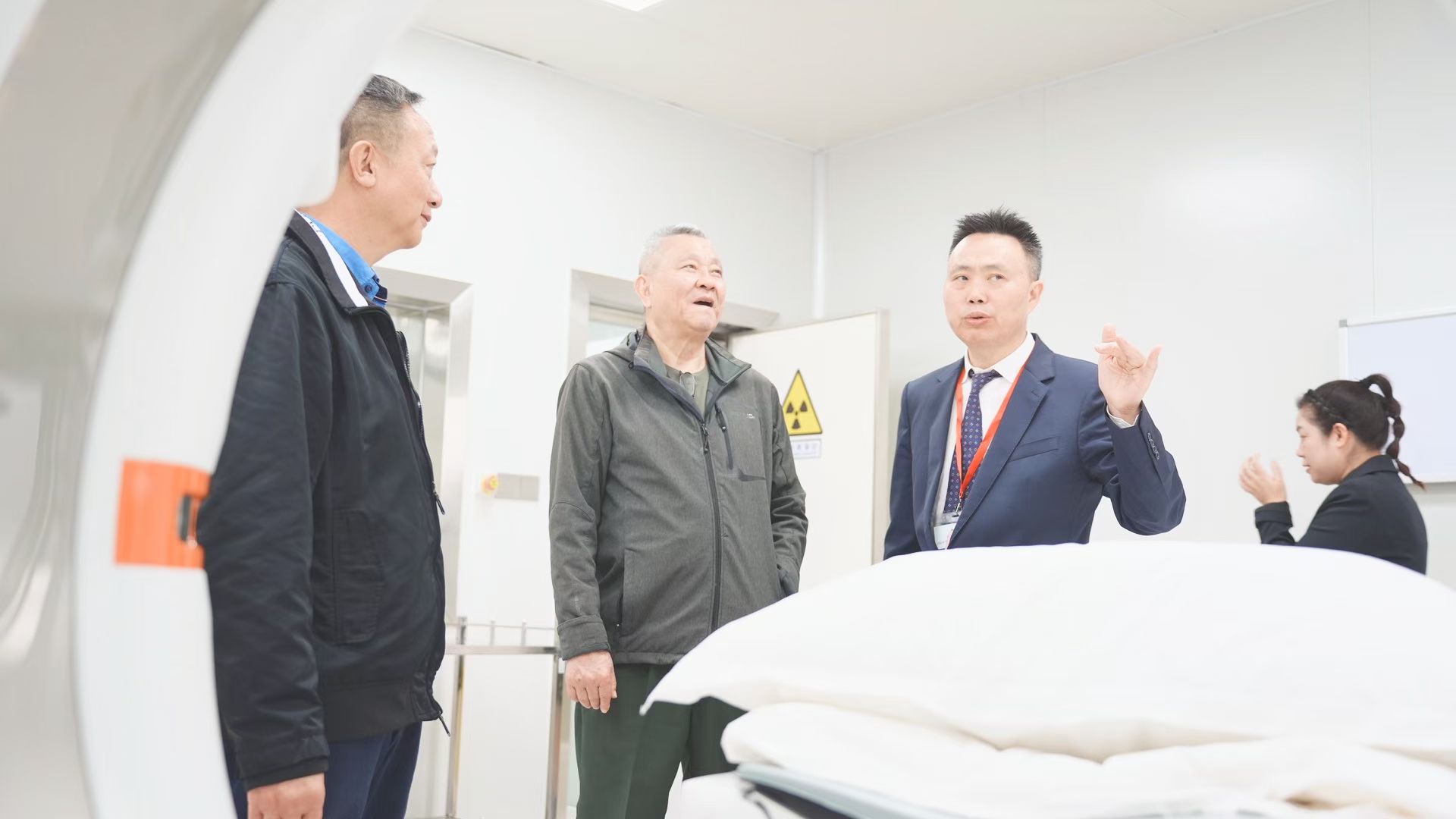
In the field of liver cancer treatment, Professor Zhang Jinshan not only led the development of standardized treatment protocols for liver cancer but also pioneered Transcatheter Arterial Chemoembolization with temporary Hepatic Vein Thrombosis (TACE-THVO) for primary liver cancer, bringing the efficacy of interventional therapy to a new level. In recognition of his outstanding clinical and scientific contributions, he was awarded the honorary title of “Chinese Master of Interventional Radiology” at the 2019 annual conference of the Chinese College of Interventionalists.
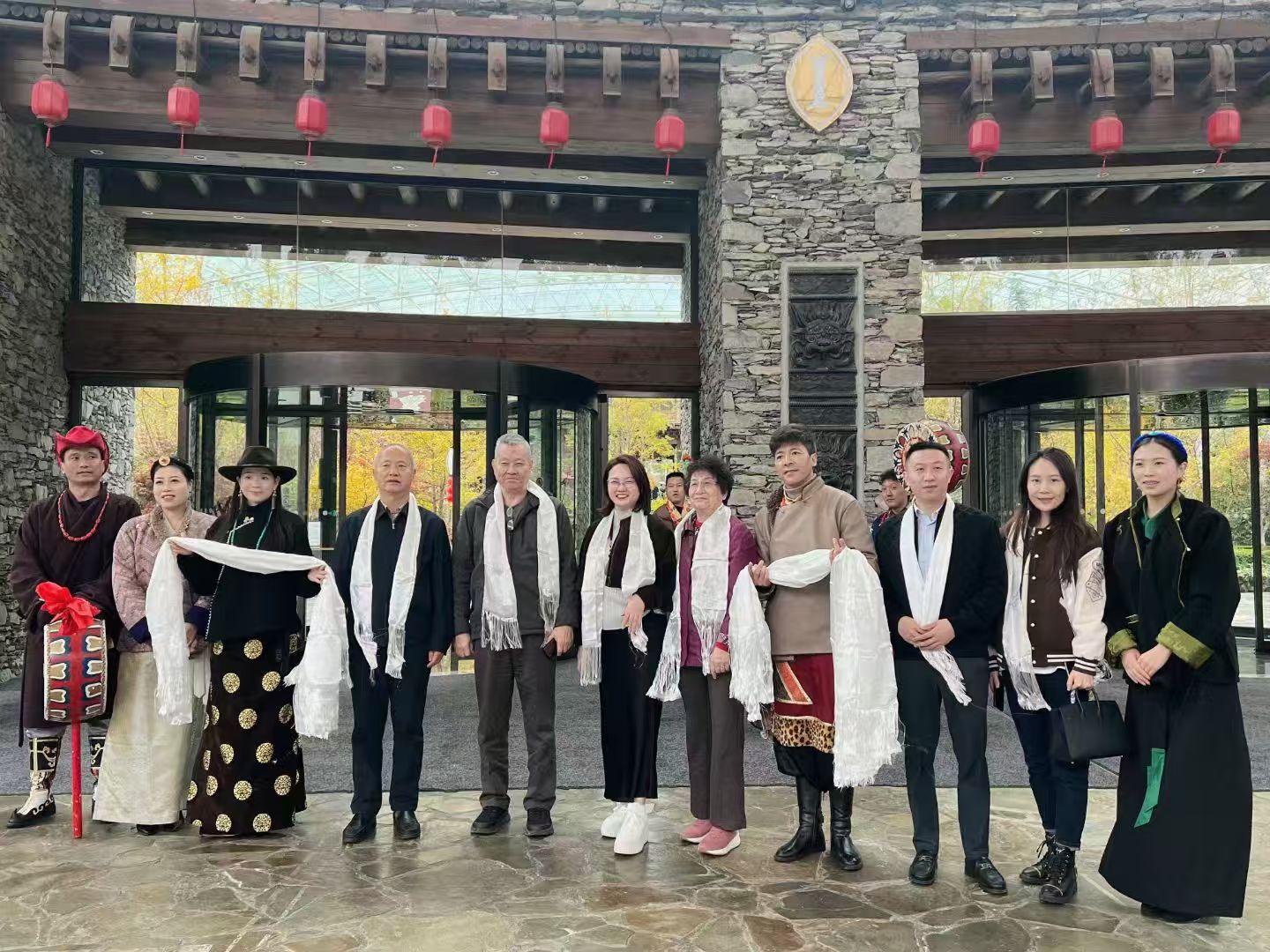
Professor Zhang Jinshan is not only a master clinician but also a driving force in the development of the discipline and a dedicated mentor in talent cultivation. He led his team in establishing one of China’s premier interventional therapy centers. As a doctoral supervisor, he has trained a large number of outstanding specialists and future leaders in interventional medicine, with many of his students and protégés now serving across the country. Academically, he has led multiple key national and military research projects, published more than 300 academic papers, and served as chief editor of three monographs, making remarkable contributions to the establishment of China’s academic framework for interventional medicine and the nationwide dissemination of its technologies.
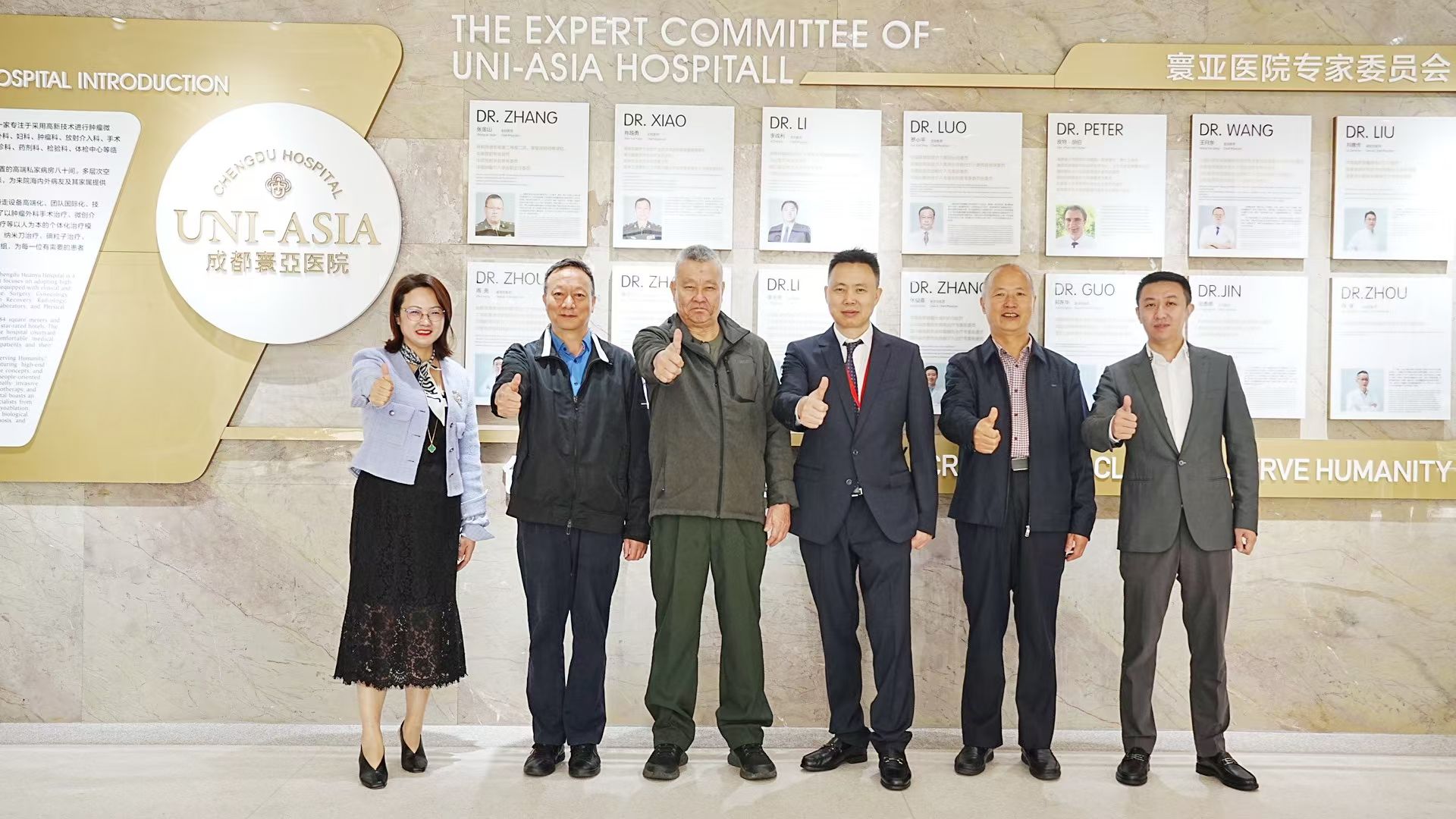
From the laboratory to the operating room, and from academic podiums to grassroots hospitals, Professor Zhang Jinshan has consistently upheld the principles of “pioneering, innovation, pragmatism, and compassion". He has devoted his life to fulfilling the mission of a physician—relieving patients’ suffering through minimally invasive techniques and advancing the discipline through academic excellence—thereby establishing himself as a truly towering figure and one of the foremost authorities in the field of interventional medicine in China.
Professor Zhang Jinshan has achieved prolific academic accomplishments, having published over 300 academic papers covering areas such as interventional therapy for liver cancer, minimally invasive treatment of portal hypertension, interventional treatment of vascular diseases, and tumor ablation.
1. Zhang Jinshan, Wang Maoqiang. Experiments and Clinical Studies of transjugular intrahepatic portosystemic stent shunt (TIPSS). Chinese Journal of Radiology, 1993,27(6):361-365.
Professor Zhang Jinshan is the first author. This is one of the early research papers in China that systematically elaborates on the TIPSS technique. Through animal experiments and clinical case analysis, it confirmed that TIPSS is a safe and effective minimally invasive method for treating portal hypertension and its complications, laying an important foundation for the promotion and application of this technique in China.
2.Zhang Jinshan, Li Huai. Clinical study on transcatheter arterial embolization with temporary hepatic vein occlusion for the treatment of primary liver cancer.Chinese Journal of Radiology, 1996,30(8):521-524.
Professor Zhang Jinshan is the first author. He innovatively proposed the technique of "transcatheter arterial embolization with temporary hepatic vein occlusion." Clinical results demonstrated that this method can significantly increase the drug concentration within liver cancer lesions, reduce damage to normal liver tissue, and effectively improve the therapeutic outcomes for intermediate and advanced liver cancer, providing a novel strategy for the interventional treatment of liver cancer.
3. Zhang Jinshan, Wang Maoqiang, Li Huai. Interventional treatment of Budd-Chiari syndrome. Chinese Journal of Medical Imaging Technology, 1998,14(3):189-191.
Professor Zhang Jinshan is the first author. This paper systematically summarizes the early experience in interventional treatment of Budd-Chiari syndrome in China, elaborating in detail on the key operational points and therapeutic efficacy of techniques such as percutaneous transluminal angioplasty and stent placement. It confirms that interventional therapy is the preferred minimally invasive method for Budd-Chiari syndrome, promoting the standardized development of treatment for this disease.
4.Zhang Jinshan, Li Huai, Wang Maoqiang. Clinical value of superselective hepatic arterial chemoembolization in the treatment of hypovascular liver cancer. Chinese Journal of Radiology, 2000,34(5):335-337.
Professor Zhang Jinshan is the first author. Addressing the challenges in interventional treatment of hypovascular liver cancer, this paper explores the clinical efficacy of superselective hepatic arterial chemoembolization. The results indicate that this technique can precisely target the lesions and improve the treatment response rate, providing an important clinical basis for the interventional treatment of hypovascular liver cancer.
5. Zhang Jinshan, Li Huai, Wang Maoqiang. Interventional treatment of peripheral vascular stenosis and occlusion.Chinese Journal of Radiology, 2002,36(7):612-614.
Professor Zhang Jinshan is the first author. This paper summarizes the interventional treatment experience of over 400 patients with peripheral vascular stenosis and occlusion, analyzing the indications and efficacy of techniques such as balloon angioplasty and stent placement. It confirms that interventional therapy is a safe and effective approach for peripheral vascular diseases, providing practical support for its clinical promotion.
6.Zhang Jinshan, Li Huai, Wang Maoqiang. Clinical application of CT-guided percutaneous puncture ablation in the treatment of abdominal tumors. Chinese Journal of Medical Imaging Technology, 2004,20(9):1395-1397.
Professor Zhang Jinshan is the first author. This paper explores the application value of CT-guided percutaneous puncture techniques such as radiofrequency ablation and chemical ablation in the treatment of abdominal tumors. The clinical results show that this method is minimally invasive with reliable efficacy, offering a minimally invasive treatment option for patients with inoperable abdominal tumors.
7.Zhang Jinshan, Wang Maoqiang, Li Huai. Advances in the application of interventional therapy for benign prostatic hyperplasia. Chinese Journal of Radiology, 2006,40(8):876-878.
Professor Zhang Jinshan is the corresponding author. This paper systematically reviews the cutting-edge advances in interventional therapy for benign prostatic hyperplasia, including the principles, procedures, and efficacy of techniques such as prostatic artery embolization and stent placement, providing new insights for the minimally invasive treatment of benign prostatic hyperplasia.
8.Zhang Jinshan, Li Huai, Wang Maoqiang. Discussion on the standardization of interventional therapy for liver cancer. Chinese Journal of Practical Surgery, 2008,28(10):856-858.
Professor Zhang Jinshan is the corresponding author. Drawing on years of clinical experience and research findings, he led the discussion on standardized protocols for interventional therapy of liver cancer, covering key aspects such as preoperative assessment, treatment modality selection, and postoperative management, providing important references for the formulation of clinical guidelines for interventional therapy of liver cancer in China.
1. Interventional Radiology (People's Military Medical Press, 1995): The first monograph in China to systematically discuss the theories and techniques of interventional radiology. It comprehensively elaborates on the interventional diagnosis and treatment system for tumors, vascular diseases, and non-vascular diseases, becoming a classic essential textbook for interventional physicians in China.
2.Interventional Therapy for Liver Cancer (People's Health Press, 2001): Focusing on minimally invasive interventions for liver cancer, this book systematically summarizes techniques such as TACE, ablation, and vascular intervention, refines operational standards and the prevention and management of complications, and promotes the standardization of interventional therapy for liver cancer.
3.Interventional Treatment of Portal Hypertension (Science Press, 2005): This book systematically elaborates on minimally invasive techniques for portal hypertension, such as TIPSS and B-ORTO, covering experimental research, clinical procedures, long-term follow-up, and efficacy evaluation, filling the gap in monographs on interventional treatment of portal hypertension in China.
1.The National "Eighth Five-Year Plan" Scientific and Technological Key Project—Clinical and Basic Research on Comprehensive Interventional Therapy for Liver Cancer (Project Leader): This project systematically explored multimodal interventional strategies for liver cancer, established the core regimen of superselective TACE combined with local ablation, and significantly improved the therapeutic outcomes for intermediate and advanced liver cancer.
2.The Military "Ninth Five-Year Plan" Key Medical Scientific Research Project—Standardized Research on TIPSS for the Treatment of Portal Hypertension (Project Leader): This project formulated China's first operational standards and postoperative management guidelines for TIPSS, reduced the incidence of complications, and promoted the popularization of this technique throughout the military and across the country.
3.National Natural Science Foundation of China Project — Research on the Mechanism of Targeted Therapy for Liver Cancer Using Hepatic Vein Occlusion Combined with Chemoembolization (Project Leader): This project revealed the synergistic enhancement mechanisms of the innovative technique at the levels of hemodynamics, drug metabolism, and the tumor microenvironment, providing theoretical support for precision interventional therapy of liver cancer.
4.Military Clinical High-Tech Major Project-Establishment and Clinical Application of the Interventional Treatment Technology System for Complex Vascular Diseases (Project Leader): This project overcame interventional challenges in complex lesions such as Budd-Chiari syndrome, peripheral vascular occlusion, and vascular malformations, forming a complete technical system that has been promoted and applied widely.
Il Dr. Jair Bar è un oncologo toracico e vicedirettore del Centro Oncologico presso lo Sheba Medical Center. È specializzato nel trattamento del tumore al polmone non a piccole cellule in stadio avanzato mediante immunoterapia personalizzata e terapie mirate. Il Dr. Bar ha conseguito un dottorato di ricerca in Biologia Molecolare e dirige un laboratorio di ricerca focalizzato sulla resistenza all'immunoterapia.
Il Prof. Dr. Abdullah Sakin è professore di oncologia medica. Tratta tumori solidi, inclusi tumori al polmone, al seno, gastrointestinali, genitourinari, ginecologici, tumori della testa e del collo e melanoma.
Fornisce cure personalizzate basate su prove scientifiche. I suoi trattamenti includono chemioterapia, terapia mirata, immunoterapia, terapia ormonale e oncologia di precisione. È autore di oltre 200 pubblicazioni scientifiche e partecipa a ricerche cliniche internazionali. Questo lavoro promuove l'assistenza oncologica incentrata sul paziente.
La Prof.ssa Dr.ssa Gül Alço è un'oncologa radioterapista con circa 27 anni di esperienza. Tratta tumori al seno, polmoni, prostata, apparato digerente, ginecologici, del sistema nervoso centrale, testa e collo, tessuti molli e ossa mediante radioterapia.
La sua competenza include la radioterapia adattiva e la radiochirurgia. Utilizza tecniche di irradiazione avanzate per fornire cure personalizzate e basate su prove scientifiche in un ambiente multidisciplinare incentrato sul paziente.