Vai alla homepage

Come funziona

Abbiamo trasformato la ricerca di cliniche rendendola semplice, veloce e personalizzata.
Rispondi a poche domandeCompleta un breve questionario per condividere i tuoi obiettivi di Gastroplastica endoscopica a manica.
Ricevi offerte personalizzate3 cliniche selezionate appositamente in base alle tue risposte propongono piani di trattamento e preventivi personalizzati.
Scegli la migliore opzioneConfronta le offerte e scegli la clinica che più si adatta alle tue esigenze.
Puoi anche sfogliare tutte le 4 cliniche qui sotto.
820К+ pazienti hanno ricevuto assistenza dal 2014
50 paesi
1,500 cliniche
6K+ recensioni
3K+ Oltre 3.000 medici qualificati

Qual è il prezzo di Gastroplastica endoscopica a manica in Thailandia? Scoprilo ora

Il prezzo medio di Gastroplastica endoscopica a manica in Thailandia è di $5,500 / 187,000฿, il prezzo minimo è di $4,000 / 136,000฿, e il prezzo massimo è di $7,000 / 238,000฿.
Dati verificati da Bookimed a July 2026, basati sulle richieste dei pazienti e sulle offerte ufficiali di 47 cliniche in tutto il mondo. I costi mediani si basano su fatture reali (2025–2026) e sono aggiornati mensilmente. I prezzi effettivi possono variare.

Non perdere queste offerte esclusive di Gastroplastica endoscopica a manica in Thailandia per luglio 2026

Tipo di procedura
  • Technique: Bariatric sleeve surgery
  • Thakoon Poonthananiwatkul has advanced international training in minimally invasive bariatric and metabolic procedures for obesity.
  • Department of Skin & Surgery - NAVAMIN9 HOSPITAL is part of a network treating over 500,000 patients annually.
  • Included Services: Blood tests, post-operative care, follow-up examination, follow-up visit, general anesthesia, medical examination for pre-operation, medications, post-op medications, individual hospital room.
  • Stay Info: 3 days stay in the hospital is included; hotel stay is not included in the price.

Scopri le migliori cliniche di Gastroplastica endoscopica a manica in Thailandia: 4 opzioni verificate e Prezzi

Le classifiche delle cliniche di Bookimed si basano su algoritmi di data science, offrendo un confronto affidabile, trasparente e oggettivo. Considerano la richiesta dei pazienti, i punteggi delle recensioni (positive e negative), la frequenza di aggiornamento di trattamenti e prezzi, la rapidità di risposta e le certificazioni delle cliniche.
Rattinan Clinic
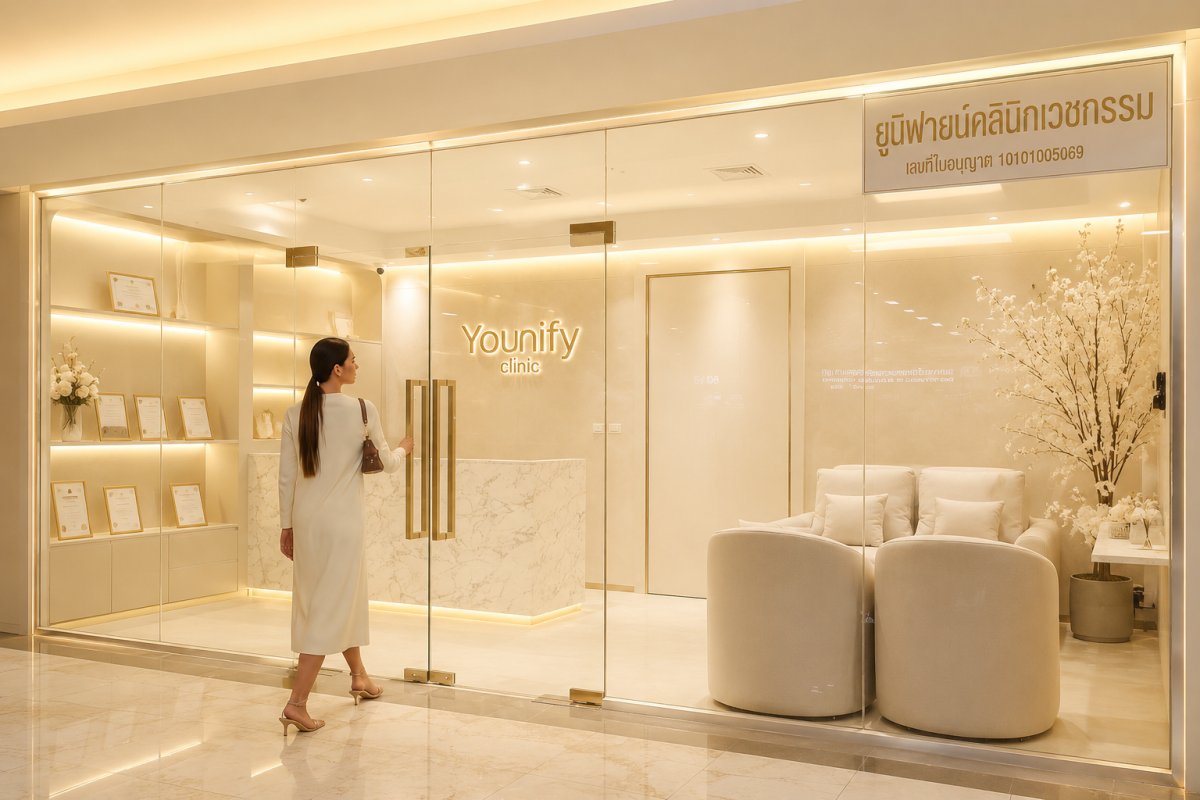
YOUNIFY Clinic

Panoramica di Gastroplastica endoscopica a manica in Thailandia

Conclusioni
Procedure correlate e Costi
Come funziona
Cosa aspettarsi
Vantaggi
Pagamento
pazienti raccomandano -
85%
Tempo dell'intervento - 1 ore
Soggiorno nel paese - 5 giorni
Riabilitazione - 30 giorni
Anestesia - Anestesia generale
Richieste in corso - 6652
Commissioni Bookimed - $0

Ottieni una valutazione medica per Gastroplastica endoscopica a manica in Thailandia: scegli il tuo specialista tra i migliori nel settore

Vedi tutti i medici
verificato

Thanakom Sukcharoen

14 anni di esperienza

Dr. Thanakom Sukcharoen is a specialist in anti-aging, regenerative medicine, and men's health at Intrarat Hospital. He holds an American Board certification (ABAARM) from the USA. Dr. Sukcharoen provides wellness services at an ISO 9001:2015-certified facility in Bangkok.

  • Diplomate in Clinical Sexology and Sexual Medicine from Thammasat University.
  • Certified Preventive Medicine Specialist by the Thai Medical Council.
  • Holds a Master of Science in Dermatology from Chulabhorn International College of Medicine.
  • Performs metabolic support and wellness retreats including energy healing and hydrotherapy.
verificato

Suthipong Treeratana

32 anni di esperienza

Dr. Suthipong Treeratana is a general surgeon at Rattinan Medical Center in Bangkok. He specializes in metabolic weight management and aesthetic medicine. Dr. Treeratana holds a diploma from the American Board of QA & UR. He completed training in liposuction and fat grafting in Canada.

  • Member of the International Society of Dermatology Surgery.
  • Holds a certificate in metabolic and weight management from the University of Sydney.
  • Serves as a faculty speaker for the Cosmetic Medicine program at DPU University.
  • Is a member of the American Society of Bariatric Physicians.

Condividi contenuto

Storie in video dei pazienti Bookimed

Dayana
I combined my vacation in Antalya with a check-up.
Procedura: Check-up femminile
Igor
It was great! Transfers, accommodation, treatment—all included.
Procedura: Impianto Dentale
Marina
Bookimed did everything for me. I didn't have to worry about anything.
Procedura: Check-up femminile
Aggiornato: 07/07/2026
Scritto da
Anna Leonova
Anna Leonova
Responsabile del Team Content Marketing
Copywriter medico certificato con oltre 10 anni di esperienza, ha sviluppato i contenuti affidabili di Bookimed, con il supporto di un Master in filologia e interviste con esperti medici da tutto il mondo.
Revisione da parte di Consulente medico Bookimed
Fahad Mawlood
Editor medico e Data Scientist
Medico generico. Vincitore di 4 premi scientifici. Ha lavorato in Asia Occidentale. Ex capo del team medico per i pazienti di lingua araba. Ora responsabile dell'elaborazione dei dati e dell'accuratezza dei contenuti medici.
Fahad Mawlood Linkedin
Questa pagina può includere informazioni relative a varie condizioni mediche, trattamenti e servizi sanitari disponibili in diversi paesi. Si prega di notare che il contenuto è fornito solo a scopo informativo e non deve essere interpretato come consiglio o indicazione medica. Si prega di consultare il proprio medico o un professionista sanitario qualificato prima di iniziare o modificare un trattamento medico.

Dati chiave su Gastroplastica endoscopica a manica

Gastroplastica verticale endoscopica (ESG)

Una procedura di perdita di peso minimamente invasiva che riduce le dimensioni dello stomaco utilizzando un dispositivo di sutura endoscopico.

Pro: Meno invasiva del bypass gastrico Roux-en-Y. Recupero più rapido rispetto alla chirurgia metabolica. Nessuna incisione esterna. Perdita di peso corporeo totale del 15-20% in un anno.
Contro: Perdita di peso a lungo termine meno efficace rispetto al bypass gastrico Da Vinci. Possibile dilatazione dello stomaco nel tempo.
Efficacia: Raggiunge una perdita di peso corporeo totale del 15-20% entro un anno.
Durata: 1-2 ore
Recupero: 1-3 giorni
Ideale per: Individui con un IMC (BMI) di 30-40, che cercano una perdita di peso non chirurgica.
Prezzi: Costo di Gastroplastica endoscopica a manica in Thailandia da $4,000

Domande frequenti su Gastroplastica endoscopica a manica in Thailandia

Queste domande frequenti provengono da pazienti reali che cercano assistenza medica tramite Bookimed. Le risposte sono fornite da coordinatori medici esperti e rappresentanti affidabili delle cliniche.

What is the recovery time?

Recovery from endoscopic sleeve gastroplasty in Thailand is rapid because the procedure requires no external incisions. Patients generally return to light activities within 3 to 7 days. Most individuals can resume a normal diet and full physical exertion between 6 and 8 weeks post-procedure.

  • Hospital stay: Expect 1 night of clinical observation for monitoring post-procedural reaction.
  • Activity resumption: Desk job employees typically return to work within 3 to 5 days.
  • Dietary transition: Patients follow a liquid diet for 2 weeks before starting soft foods.
  • Travel window: International patients should stay in Thailand 7 to 10 days before flying.

Bookimed Expert Insight: Thai clinics like Rattinan Medical Center often emphasize a 25-year track record for safety. Data shows that while the physical recovery is fast, the dietary transition is the real hurdle. Plan for a full 8-week structured eating plan to ensure the internal sutures heal perfectly.

Patient Consensus: Many survivors report manageable mild pain but highlight that severe nausea is common during the first 72 hours. Setting up remote follow-up with your Bangkok surgeon is essential for managing your diet once you return home.

Who is a good candidate for ESG in Thailand?

Ideal candidates for endoscopic sleeve gastroplasty (ESG) in Thailand are adults with a body mass index (BMI) between 30 and 42. Asian patients may qualify with a BMI of 27.5 if they have weight-related health conditions like Type 2 diabetes or hypertension.

  • Weight profile: Best for moderate obesity between BMI 30 and 42.
  • Health status: Candidates must have no severe acid reflux or active gastrointestinal bleeding.
  • Surgical history: Most specialists require patients with no previous major abdominal surgeries.
  • Commitment: Success requires a lifelong dedication to permanent diet and exercise changes.

Bookimed Expert Insight: While many seek ESG for its scar-free nature, the screening process in Bangkok is exceptionally rigorous. Data suggests that patients with hidden hiatal hernias are often redirected to gastric balloon procedures. We recommend choosing facilities like Rattinan Clinic, which treat 3,000 patients annually and emphasize multidisciplinary pre-screening.

Patient Consensus: Patients emphasize that ESG is a tool for modification, not a magic fix for aesthetics. Success depends on mental readiness and maintaining realistic expectations for losing 15–20% of total body weight.

Where are the top places to get ESG in Thailand?

The top places for endoscopic sleeve gastroplasty in Thailand are specialized bariatric centers in Bangkok, notably Rattinan Clinic. Patients also seek care at Intrarat Hospital and Bumrungrad International. These facilities offer minimally invasive, non-surgical gastric remodeling performed by US-board-certified specialists with over 25 years of experience.

  • Top clinic: Rattinan Clinic serves 3,000 patients annually with AACI quality accreditation.
  • Expert surgeons: Dr. Thanakom Sukcharoen at Intrarat Hospital holds American Board certifications.
  • Cost profile: ESG in Thailand typically ranges from $4,000 to $7,000.
  • US comparison: Patients save approximately 50% compared to average US prices of $11,000.

Bookimed Expert Insight: Data suggests a preference for specialized clinics over large general hospitals for ESG. Rattinan Clinic, for instance, maintains higher volume specific to weight loss. This focus often translates to more standardized pricing and inclusive follow-up care packages. Always confirm if the quote includes the OverStitch device specifically.

Patient Consensus: Patients advise requesting before and after photos directly via WhatsApp. They emphasize clarifying the endoscopic approach early to ensure the clinic does not switch to invasive surgery.

What kind of weight loss can I expect from ESG?

Patients typically lose 15% to 20% of their total body weight within 12 to 24 months. Results in Thailand show some patients reach 22% total weight loss. This non-surgical procedure reduces stomach volume by 70% to 80% using endoscopic suturing via the mouth.

  • Six-month milestone: Most patients achieve 12% to 15% total body weight loss by this stage.
  • One-year results: Average weight loss reaches 18% to 20% for most clinical cases globally.
  • Long-term maintenance: Data shows patients maintain 15% to 16% loss over a five-year period.
  • Gender trends: Women often achieve 20% weight loss faster than men in clinical settings.

Bookimed Expert Insight: Thailand's leading clinics like Rattinan Medical Center integrate anti-aging and regenerative medicine into weight loss protocols. Specialists like Dr. Thanakom Sukcharoen use this combined approach to help manage metabolic health. This synergy often prevents the common plateaus seen between months 4 and 6.

Patient Consensus: Many report losing over 50 pounds within the first year while prioritizing 80g of protein daily. Consistency with walking 10,000 steps and avoiding carbonated drinks is essential for long-term success.

Are there risks or side effects?

Endoscopic sleeve gastroplasty in Thailand is a minimally invasive procedure. It typically causes temporary digestive discomfort rather than long-term surgical complications. Most patients experience mild side effects while the stomach adapts to the new internal sutures and reduced volume within the first week.

  • Digestive symptoms: Patients often report nausea and abdominal pain for 2-3 days post-procedure.
  • Chest tightness: Temporary pressure or breathing difficulty may occur from the stomach plication.
  • Strictures: Narrowing at the gastroesophageal junction may occasionally require endoscopic dilation treatments.
  • Long-term results: Some patients experience weight regain if sutures loosen or the stomach stretches.

Bookimed Expert Insight: Thai clinics like Rattinan Medical Center follow AACI quality standards to mitigate risks. Data shows that outcome consistency often depends on post-operative support. Some centers provide more intensive aftercare than others. Choosing a facility with a high annual patient volume helps ensure the medical team is proficient in managing rare complications like internal leaks.

Patient Consensus: Many patients find the first few days challenging due to intense nausea and vomiting. They emphasize that while the recovery is quick, adhering to the strict new eating limitations requires significant psychological preparation.

How does ESG differ from standard gastric sleeve surgery?

Endoscopic sleeve gastroplasty (ESG) is a non-surgical procedure performed through the mouth using an endoscope to suture and fold the stomach. Unlike standard gastric sleeve surgery (VSG), it requires no abdominal incisions and involves no permanent removal of stomach tissue or hormonal modification.

  • Surgical approach: ESG uses internal suturing via the throat while VSG requires laparoscopic abdominal incisions.
  • Tissue removal: VSG removes 80% of the stomach permanently; ESG keeps the entire organ intact.
  • Recovery time: Patients return to work in 3–7 days versus 2–4 weeks for surgical sleeve.
  • Weight loss: VSG typical loss is 25–30% total weight compared to 15–25% for ESG.

Bookimed Expert Insight: Thailand's medical infrastructure allows for sophisticated outpatient care that many US facilities lack. Clinics like Rattinan Clinic in Bangkok maintain high quality standards while treating 3,000 patients annually. For ESG, this high volume means endoscopists often exceed the 100-case proficiency milestone faster than surgeons in lower-volume regions.

Patient Consensus: Patients value the absence of external scarring and the lower risk of acid reflux. Many choose this option because it feels less `extreme` than a permanent surgical resection of the stomach.

What is the recovery time after ESG?

Most patients return to daily activities within 3 to 7 days after endoscopic sleeve gastroplasty (ESG) in Thailand. This incisionless procedure allows for same-day or next-morning discharge. While initial discomfort resolves quickly, full internal stomach healing typically requires 4 to 6 weeks of dietary adherence.

  • Initial recovery: Common side effects like nausea and cramping usually peak within the first 48 hours.
  • Work transition: Most patients resume desk-based professional duties within 3 to 10 days post-procedure.
  • Physical activity: Walking is encouraged from day 1, but avoid heavy lifting for 4 weeks.
  • Dietary stages: Transition from clear liquids to soft foods occurs between day 7 and week 4.

Bookimed Expert Insight: Thailand is a top-3 global destination for weight loss procedures with 140+ specialized clinics. Data shows clinics like Rattinan Medical Center serve over 3,000 patients annually with 25+ years of experience. This high volume often results in more efficient recovery protocols compared to lower-volume centers elsewhere.

Patient Consensus: Expect significant fatigue during the first week, with many patients needing 12+ hours of sleep. Following the liquid diet strictly is the most cited factor for avoiding early complications.

What are the best hospitals for ESG in Thailand?

The best hospitals for endoscopic sleeve gastroplasty (ESG) in Thailand include Bumrungrad International Hospital and Samitivej Sukhumvit Hospital. These Bangkok-based centers hold Joint Commission International (JCI) accreditation and offer advanced bariatric endoscopy. Rattinan Medical Center is also a top-rated specialized clinic for this non-surgical procedure.

  • Bumrungrad International: First Southeast Asian unit with American Society for Gastrointestinal Endoscopy recognition.
  • Rattinan Medical Center: AACI-accredited facility in Bangkok performing over 3,000 annual procedures across specialties.
  • Samitivej Sukhumvit: Ranked among Thailand top hospitals for high-quality gastroenterology and professional care.
  • Vejthani Hospital: Features a specialized weight management center with JCI-accredited endoscopic surgical services.

Bookimed Expert Insight: While large hospitals like Bumrungrad lead in technology, specialized clinics often provide more focused bariatric care. Rattinan Medical Center, for example, maintains lower patient-to-doctor ratios with only 5 beds. This setup typically allows for more personalized post-operative monitoring after endoscopic procedures.

Patient Consensus: Patients emphasize that choosing a specific surgeon is more critical than the hospital brand. They recommend verifying the surgeon's exact ESG case load and establishing clear remote follow-up plans.

What are the risks and success rates of Endoscopic Sleeve Gastroplasty (ESG) in Thailand?

Endoscopic Sleeve Gastroplasty (ESG) in Thailand is a safe, non-surgical procedure. Success rates approach those of laparoscopic surgery. Patients typically lose 10%–20% of their total body weight within the first year. Bangkok clinics like NAVAMIN9 HOSPITAL hold JCI accreditation. This confirms international safety standards and low complication rates.

  • Success rates: Patients lose A$10,000–A$15,000 kg or 15–20% of their total body weight.
  • Risk profile: Serious complications occur in only 1–2% of cases globally.
  • Clinical safety: Bangkok centres like NAVAMIN9 HOSPITAL use JCI-standard protocols for infection control.
  • Minor effects: Temporary nausea, vomiting, or abdominal pain typically resolve within a few days.

Bookimed Expert Insight: ESG is often called an outpatient procedure. Still, Bookimed data shows Thai clinics like NAVAMIN9 HOSPITAL often include 3 days of hospital stay. This extra observation time in a private room helps specialists manage nausea. It also lets them confirm the 6–8 stomach sutures are stable before discharge.

Patient Consensus: Patients find the non-surgical nature of ESG in Thailand reduces recovery time significantly. Most suggest confirming telehealth follow-up plans with clinics like Rattinan Medical Centre. This provides aftercare support once back in Australia.

Who is a suitable candidate for Endoscopic Sleeve Gastroplasty (ESG) in Thailand?

Suitable candidates for Endoscopic Sleeve Gastroplasty (ESG) in Thailand are generally individuals with a BMI over 30. They typically have not achieved results through diet or exercise. Patients with a BMI between 27 and 30 may also qualify if they have health conditions like type 2 diabetes.

  • BMI requirements: Candidates typically have a BMI of 30+ or 27+ with associated health conditions.
  • Non-surgical preference: Ideal for those seeking incision-free weight loss to avoid surgical risks or scarring.
  • Lifestyle commitment: Successful patients must commit to long-term dietary changes and metabolic follow-up care.
  • Medical suitability: Suitable for individuals who are not eligible for traditional bariatric surgery options.

Bookimed Expert Insight: Many Australian patients seek ESG for its quick recovery. However, Bookimed data shows that Bangkok facilities like Navamin9 Hospital often include a 3-day hospital stay. This monitoring period allows for stability and better pain management before patients return to their hotel.

Patient Consensus: Patients in Thailand appreciate the incision-free approach for moderate obesity when other methods fail. They suggest confirming dietitian support plans early to help maintain weight loss after returning home.

What is the difference between Endoscopic Sleeve Gastroplasty (ESG) and traditional gastric sleeve surgery in Thailand?

Endoscopic sleeve gastroplasty (ESG) in Thailand is a non-surgical, incisionless procedure. It is performed through the mouth. Traditional gastric sleeve surgery involves permanently removing 75-80% of the stomach through small abdominal incisions. ESG offers faster recovery. Traditional surgery typically results in greater long-term weight loss.

  • Procedure method: ESG uses internal stitches through an endoscope. Surgery requires 3–5 small incisions.
  • Hospital stay: Navamin9 Hospital packages include 3 days in hospital to monitor initial recovery.
  • Weight loss: Patients usually lose 13-15% of total weight with ESG versus more with surgery.
  • Reflux risk: ESG carries a very low risk of developing new or worsened acid reflux.

Bookimed Expert Insight: While ESG is non-surgical, leading Bangkok clinics like Navamin9 Hospital still include a 3-day hospital stay. Their A$11,300 packages provide professional monitoring for safety before flying home. In contrast, Rattinan Clinic has provided weight loss services for over 25 years. This highlights Thailand's deep expertise in bariatric care.

Patient Consensus: Patients choose ESG in Thailand when they want a less invasive option with shorter downtime. Those seeking permanent, substantial weight loss results often prefer the traditional surgical sleeve. Most appreciate that packages include essential blood tests, anaesthesia, and follow-up care.

What is Endoscopic Sleeve Gastroplasty (ESG) performed in Thailand?

Endoscopic sleeve gastroplasty (ESG) in Thailand is a weight loss procedure. It reduces stomach volume by 60–70% without external incisions. Specialists perform it through the mouth under general anaesthesia. They use an endoscope to place sutures that fold the stomach into a smaller tube.

  • Non-surgical approach: Specialists use an endoscope through the mouth, leaving no visible scars.
  • Clinical setting: Leading JCI-accredited Bangkok hospitals such as Navamin9 Hospital perform the procedure.
  • Hospital stay: All-inclusive packages often provide 3 days in a private hospital room.
  • Faster recovery: Most patients return to light activities within 2 to 3 days.

Bookimed Expert Insight: While ESG is non-surgical, Bookimed data shows Thailand’s packages often include a 3-day hospital stay. This provides formal post-operative monitoring. This is more intensive than the same-day discharge seen in some Western clinics. It provides an extra safety net for international patients during the initial transition.

Patient Consensus: Patients in Thailand appreciate having a clear staged diet plan and a follow-up protocol. They suggest confirming which pre-operative tests are included. Patients should also check that the endoscopist has proven experience with this suturing technique.

How long do I need to stay in Thailand after Endoscopic Sleeve Gastroplasty (ESG)?

Patients should stay in Thailand for at least 5 to 7 days after Endoscopic Sleeve Gastroplasty (ESG). This period covers the procedure and a 1–3 night hospital stay. It also allows for monitoring before a long-haul flight back to Australia.

  • Hospital stay: Most clinics include 1–3 nights in a private room for immediate recovery.
  • Initial recovery: Light activity is usually possible within 48 hours of the endoscopic procedure.
  • Fluid tolerance: Patients must stay locally until they can comfortably drink fluids without nausea.
  • Follow-up visits: Surgeons typically schedule a final review 3–5 days after the primary procedure.

Bookimed Expert Insight: ESG is a day procedure in some countries. However, Thai JCI-accredited hospitals like Navamin9 often bundle a 3-day inpatient stay. This allows for professional pain management and IV hydration. These measures lower the risk of dehydration during the flight home.

Patient Consensus: Patients in Thailand recommend staying 48–72 hours locally to manage initial pain and fluids. Building in a 3-day buffer prevents travel stress if recovery is slower than expected.

Richiedi una consulenza gratuita

Seleziona il modo migliore per essere contattato