| Turchia | Stati Uniti | Messico | |
| Riduzione del polpaccio | da $1,800 | da $6,500 | da $3,000 |
| Riduzione del polpaccio mediante radiofrequenza | da $2,400 | - | - |
Giorno 1 - Arrivo
Giorno 2 - Fase pre-operatoria
Giorno 3 - Intervento
Giorno 4 - Fase post-operatoria
Settimana 1 - Riabilitazione
Settimana 2 - Riabilitazione
Dalla settimana 3 alla 6 - Riabilitazione
Dalla settimana 7 in poi - Risultato finale
Si prega di notare che il recupero di ogni paziente può variare in base alle circostanze individuali.
Il dottor Yaman cura 500-600 pazienti all'anno con un focus su risultati dall'aspetto naturale e un'alta soddisfazione dei pazienti.
Specializzato nella riduzione del polpaccio presso il Memorial Şişli Hospital, il Dr. Ozturk apporta precisione ed esperienza estetica a ogni procedura.
Specializzato in chirurgia plastica con un focus su procedure estetiche come la riduzione dei polpacci. Formato presso l'Ospedale di Formazione e Ricerca di Ankara Numune.
Il Professor Firat è specializzato in chirurgia estetica e ricostruttiva presso il Medical Park Antalya Hospital Complex, con un focus su tecniche chirurgiche precise.
Calf reduction in Turkey is safe for Australian patients who select JCI-accredited hospitals and board-certified surgeons. Facilities use radiofrequency and Vaser liposuction for precision. Safety is maintained through international hygiene protocols and experience serving thousands of global patients annually.
Bookimed Expert Insight: Patient safety often hinges on surgeon volume rather than clinic size. Major university hospitals serve 1,000,000+ patients annually. However, specialised private practices like Estethia or Mono Medical often offer more focused aftercare. Selecting a surgeon with EBOPRAS certification provides extra credentialing recognised in Australia.
Patient Consensus: Patients emphasise that success depends on finding a surgeon who prioritises post-operative plans. Many travellers in Turkey found recovering from body contouring more demanding than expected. They recommend budgeting for extra recovery days. Patients should also check that travel insurance covers medical evacuation before departing Australia.
Turkish clinics provide surgical and non-surgical calf reduction techniques. These include VASER liposuction, radiofrequency (RF) reduction, and muscle reshaping. Specialists in Istanbul and Antalya perform these procedures at JCI-accredited facilities. Costs typically range from $1,800 to $2,200. This saves Australians up to 76% compared to local rates.
Bookimed Expert Insight: Many clinics list calf reduction as a single service. However, surgeons like Dr. Hakan Bulam distinguish between lipoedema surgery and aesthetic contouring. Patients should check if their surgeon holds European Board (FEBOPRAS) certification. These specialists often provide sophisticated microsurgical techniques for lower extremity reconstruction.
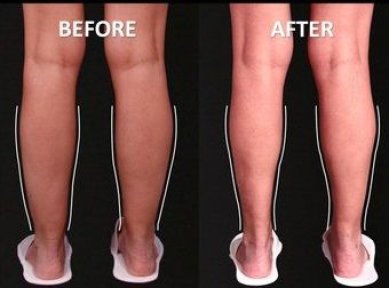
Patient Consensus: Patients in Turkey suggest checking before-and-after photos specifically for calf cases. This helps to ensure symmetry. They recommend clarifying scar placement and confirming telehealth follow-up plans before returning to Australia.
Calf reduction recovery in Turkey generally allows for a return to light work within 10 to 14 days. Non-surgical Botox has minimal downtime. Radiofrequency techniques require a 14-day initial phase. Surgical options like neurectomy or resection often need 3 to 4 weeks for primary healing.
Bookimed Expert Insight: Many patients overlook that Turkish specialists often combine VASER liposuction with muscle treatments for better contouring. This improves the final look. However, it typically adds 5–7 days of soreness compared to isolated procedures.
Patient Consensus: Expect two distinct recovery phases in Turkey. Walking usually feels normal within 2 weeks, but swelling persists. Arrange help for personal care during the first week since mobility remains limited.
All-inclusive calf reduction packages in Turkey bundle surgical fees, hospital stays, and logistics. These packages typically cover radiofrequency or liposuction techniques and JCI-accredited facility costs. They also include VIP airport transfers and 4 or 5-star hotel accommodation for 5–7 nights.
Bookimed Expert Insight: While most packages include hotel stays, some top clinics use specialised hospital designs. For example, Memorial Bahçelievler uses eco-friendly designs to support recovery. Patients should confirm if the package includes local transfers for follow-up check-ups. Some deals only cover arrival and departure trips.
Patient Consensus: Patients find that bundled logistics remove the stress of navigating Turkey alone. They recommend getting a written list of inclusions. This helps confirm that hospital fees and compression garments are fully covered.
The choice between Istanbul and Antalya depends on the desired recovery environment. Istanbul has more JCI-accredited hospitals and European Board-certified surgeons (EBOPRAS). Antalya provides a resort-style atmosphere for quieter rehabilitation. Both cities offer calf reduction from $1,800 to $2,200.
Bookimed Expert Insight: Many choose Antalya for the coastal scenery. However, Istanbul's high patient volume is a major advantage. Large centres like Medipol Mega serve 1,000,000+ patients annually. This means teams have specialised experience managing the mobility needs of lower-limb recovery.
Patient Consensus: Australians often find that local surgeon experience and post-operative follow-up matter most. Patients in Turkey suggest requesting written timelines for activity. They also recommend confirming telehealth options before flying home.