Vai alla homepage

Come funziona

Abbiamo trasformato la ricerca di cliniche rendendola semplice, veloce e personalizzata.
Rispondi a poche domandeCompleta un breve questionario per condividere i tuoi obiettivi di Rimozione del gibbo nasale.
Ricevi offerte personalizzate3 cliniche selezionate appositamente in base alle tue risposte propongono piani di trattamento e preventivi personalizzati.
Scegli la migliore opzioneConfronta le offerte e scegli la clinica che più si adatta alle tue esigenze.
Puoi anche sfogliare tutte le 7 cliniche qui sotto.
820К+ pazienti hanno ricevuto assistenza dal 2014
50 paesi
1,500 cliniche
6K+ recensioni
3K+ Oltre 3.000 medici qualificati

Qual è il prezzo di Rimozione del gibbo nasale in Corea del Sud? Scoprilo ora

Il prezzo medio di Rimozione del gibbo nasale in Corea del Sud è di $5,300, il prezzo minimo è di $3,800, e il prezzo massimo è di $6,800.
Dati verificati da Bookimed a July 2026, basati sulle richieste dei pazienti e sulle offerte ufficiali di 77 cliniche in tutto il mondo. I costi mediani si basano su fatture reali (2025–2026) e sono aggiornati mensilmente. I prezzi effettivi possono variare.

Non perdere queste offerte esclusive di Rimozione del gibbo nasale in Corea del Sud per luglio 2026

Tipo di procedura
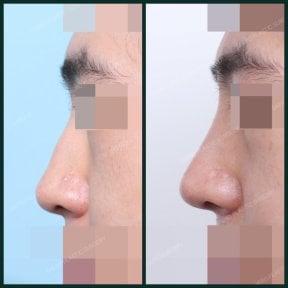
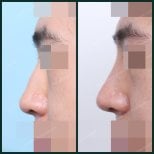
Before and after nasal hump removal at SAERO Plastic Surgery, rhinoplasty result side view
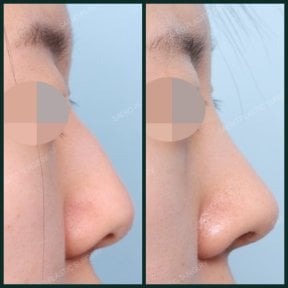
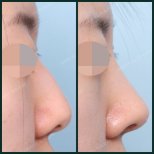
Before and after nasal hump removal results at SAERO Plastic Surgery, smoother nose profile
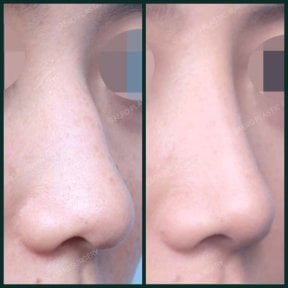
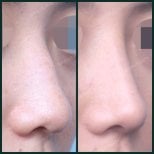
Before and after nasal hump removal results at SAERO Plastic Surgery, improved nose profile
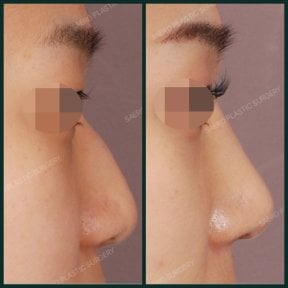
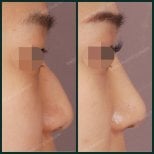
Before and after nasal hump removal results at SAERO Plastic Surgery, smoother nose profile
  • Park Young Kyu received the Top Medical Resident award from the Korean Society of Plastic and Reconstructive Surgeons for his surgical excellence in rhinoplasty procedures.
  • SAERO Plastic Surgery treats approximately 700 adult patients annually from Europe, Asia, the USA, and Australia, all under one specialist’s care.
  • Included Services: Post-operative care, wound care, hyperbaric oxygen therapy, follow-up examination, blood tests, consultation with surgeon.
  • Stay Info: 7 days hotel stay recommended; accommodation is not included in the price.

Scopri le migliori cliniche di Rimozione del gibbo nasale in Corea del Sud: 7 opzioni verificate e Prezzi

Le classifiche delle cliniche di Bookimed si basano su algoritmi di data science, offrendo un confronto affidabile, trasparente e oggettivo. Considerano la richiesta dei pazienti, i punteggi delle recensioni (positive e negative), la frequenza di aggiornamento di trattamenti e prezzi, la rapidità di risposta e le certificazioni delle cliniche.
VG Plastic Surgery
JK Plastic Surgery Center
Annuncio
Clinica di chirurgia plastica AB
4.9
Prezzo su richiesta
Maggiori informazioni
Seoul Miz Hospital (서울미즈병원)
Hyundai Aesthetic Surgery Clinic (Hyundai Mihak Plastic Surgery / 현대미학성형외과, 현대로미학성형외과)

Panoramica di Rimozione del gibbo nasale in Corea del Sud

Conclusioni
Procedure correlate e Costi
Come funziona
Vantaggi
Pagamento
pazienti raccomandano -
85%
Tempo dell'intervento - 1 ore
Soggiorno nel paese - 2 giorni
Riabilitazione - 1 giorni
Anestesia - Anestesia locale
Richieste in corso - 110449
Recensioni verificate dei pazienti - 8
Commissioni Bookimed - $0

Ottieni una valutazione medica di Rimozione del gibbo nasale in Corea del Sud: consulta ora 7 medici esperti

Vedi tutti i medici
verificato

Park Sangwook

10 anni di esperienza

Dr. Park Sangwook is a board-certified plastic surgeon and the Director of VG Plastic Surgery in Seoul. He completed his residency at Seoul St. Mary’s Hospital. He specializes in rhinoplasty and facial contouring. The doctor previously served as a Director at DA Plastic Surgery Clinic.

  • Full member of the Korean Society for Aesthetic Plastic Surgery (KSAPS).
  • Belongs to the Korean Cleft Palate-Craniofacial Association.
  • Performs revision rhinoplasty, cheekbone reduction, and alarplasty.
  • Treats patients at VG Plastic Surgery, a KOIHA-accredited facility.
verificato

Seung-hyung Noh

26 anni di esperienza

Dr. Seung-Hyung Noh is a board-certified plastic surgeon at Seoul Miz Hospital. He specializes in complex revision surgery for major aesthetic procedures. Trained at Hanyang University and completed a clinical program at Columbia University in New York. Dr. Noh emphasizes natural results through the least necessary surgical intervention.

  • Specializes in revision cases requiring precise technique and surgical judgment.
  • Full member of the Korean Society of Plastic and Reconstructive Surgeons (KSPRS).
  • Performs a wide range of procedures from rhinoplasty to stem cell rejuvenation.
  • Works at Seoul Miz Hospital, a facility treating 200,000 patients annually.
verificato

Lee Hyuck Jae

19 anni di esperienza

Dr. Lee Hyuck Jae is a board-certified surgeon. He graduated from Chosun University College of Medicine. He completed his training at Bundang Jesaeng Hospital, where he gained strong clinical experience.

Dr. Lee is a member of several professional organizations. These include the Korean Society of Plastic Surgery, the Korean Society of Cosmetic Surgery, the Korean Society of Plastic Surgeons, the Korean Society of Imaging Science, the Eye Surgery Research Association, and the Rhinoplasty Research Association.

He has worked at Yuno Plastic Surgery Clinic and Do Dream Plastic Surgery. He has contributed to the field through his clinical work and research.

verificato

Jooyoung Park

18 anni di esperienza

Dr. Jooyoung Park has trained over 300 physicians in filler and HIFU techniques. He is a board-certified dermatologist and the CEO of BIOFACE Clinic in Seoul. Dr. Park completed his residency at the prestigious Seoul National University Hospital. He serves as an advisor for L&C BIO on dermatologic injectable trials.

  • Winner of the Excellence in Education Award from the Korean Society of Aesthetic Medicine.
  • Clinical advisor for biotech firms on neck-generation filler and medical device development.
  • Member of the Korean Academy of Laser Medicine and the World Society for Laser Medicine.
  • Performs stem cell therapy, thread lifting, and specialized anti-aging protocols.

Storie in video dei pazienti Bookimed

Oksana
I have fulfilled my dream. Finally, I won't cry about my hair anymore.
Procedura: Trapianto di capelli
Clinica: Dr. MED
Roman
Just 4 days in Turkey, and I'm already home with a new hair.
Procedura: Trapianto di capelli
Clinica: Hair Clinic
Jamie
Bookimed made this medical trip a breeze.
Procedura: Chirurgia di riassegnazione sessuale
Recensione anonima • Rinoplastica
Stati Uniti d'America
1 lug 2026
Recensione verificata.
Seeing the computer imaging of my expected result during the consultation was a key moment
Vedere la simulazione al computer del risultato previsto durante il consulto è stato un momento fondamentale. Il chirurgo è stato diretto e onesto su ciò che era realisticamente possibile ottenere, e ho apprezzato il fatto che si sia occupato personalmente sia del consulto che dell’intervento di rinoplastica a cielo aperto per il rimodellamento completo del mio naso. Il personale della clinica è stato sempre disponibile e la loro guida per l’assistenza post-operatoria è chiara. Sono ancora in fase di recupero. Preparatevi a spese aggiuntive come Uber, hotel, farmaci post-operatori consigliati e un sacco di materiale come garze, nastro adesivo e spray per la bocca secca. Il mio consiglio per gli altri è di farsi accompagnare da qualcuno; i primi 3 giorni sono molto difficili e avrete bisogno di aiuto. Inoltre, assicuratevi di coordinare le date di arrivo e partenza in modo da non partire prima che tutte le cure post-operatorie siano terminate.
L'intero processo è stato molto ben organizzato, efficiente e curato in ogni dettaglio. Le risposte alle comunicazioni sono rapide. Alle domande viene data una risposta dettagliata, corredata da numerose informazioni di supporto. Il coordinamento tra TUTTI i diversi reparti è fantastico. La clinica è immacolata. Il medico è estremamente professionale ed esperto, oltre a trasmettere empatia e sicurezza. Eccellente sotto ogni punto di vista. Inoltre, la clinica si trova in un’ottima posizione. Tutti ti fanno sentire importante e si assicurano che tu sia felice e soddisfatto durante l’intero processo.
L'unica cosa da fare è semplicemente fornire maggiori informazioni sulle cure post-operatorie nella fase iniziale. È importante non prenotare un volo di ritorno troppo presto dopo l'intervento. E che la partenza va coordinata in base al tipo di intervento. Inoltre, una "borsa di cura" che includa un balsamo emolliente per le labbra e uno spray per la bocca secca, oltre alle garze e al nastro adesivo necessari per la rinoplastica. Avere queste cose aiuterebbe tantissimo nel recupero. Mia figlia ha dovuto andare a comprare questi articoli separatamente e io ho sofferto la prima notte finché non è riuscita a procurarmeli. A parte questo, tutto il resto è andato alla grande.
Recensione anonima • Rinoplastica
Stati Uniti d'America
8 gen 2026
Recensione verificata.
Non posso dire abbastanza cose positive
Non posso che elogiare. Dalla mia consulenza iniziale a dove sono oggi, è stata un'esperienza meravigliosa.
Informazioni sul servizio Bookimed
Bookimed mi ha fornito opzioni e ha sempre (SEMPRE) seguito con risposte alle mie domande. Non hanno cercato di spingermi verso un certo medico o una certa procedura, ma mi hanno fatto sentire estremamente a mio agio nel prendere le mie decisioni.
Milana Zavolokina • Rinoplastica
Vietnam
17 mag 2024
Recensione verificata.
Tutto sommato, è andato tutto bene!
Mi è piaciuto tutto, ora sto aspettando che il gonfiore dopo la rinoplastica scompaia. Spero che il risultato mi piacerà. In generale, è andato tutto bene!
Recensione anonima • Rinoplastica
Stati Uniti d'America
7 ott 2024
Recensione verificata.
It has been the best experience bar none in terms of getting best results for my medical needs
Recensione anonima • Rinoplastica
Stati Uniti d'America
14 ago 2019
Recensione verificata.
I medici sono stati molto onesti e premurosi, si prendono davvero a cuore quello che non è il migliore per te!
Tutto è stato molto professionale! I medici sono stati molto onesti e premurosi, si preoccupano davvero di ciò che non è il migliore per te!

Rimozione del gibbo nasale: Foto prima e dopo

Vedi tutti i Prima e Dopo

Condividi contenuto

Aggiornato: 07/01/2026
Scritto da
Anna Leonova
Anna Leonova
Responsabile del Team Content Marketing
Copywriter medico certificato con oltre 10 anni di esperienza, ha sviluppato i contenuti affidabili di Bookimed, con il supporto di un Master in filologia e interviste con esperti medici da tutto il mondo.
Revisione da parte di Consulente medico Bookimed
Fahad Mawlood
Editor medico e Data Scientist
Medico generico. Vincitore di 4 premi scientifici. Ha lavorato in Asia Occidentale. Ex capo del team medico per i pazienti di lingua araba. Ora responsabile dell'elaborazione dei dati e dell'accuratezza dei contenuti medici.
Fahad Mawlood Linkedin
Questa pagina può includere informazioni relative a varie condizioni mediche, trattamenti e servizi sanitari disponibili in diversi paesi. Si prega di notare che il contenuto è fornito solo a scopo informativo e non deve essere interpretato come consiglio o indicazione medica. Si prega di consultare il proprio medico o un professionista sanitario qualificato prima di iniziare o modificare un trattamento medico.

Domande frequenti su Rimozione del gibbo nasale in Corea del Sud

Queste domande frequenti provengono da pazienti reali che cercano assistenza medica tramite Bookimed. Le risposte sono fornite da coordinatori medici esperti e rappresentanti affidabili delle cliniche.

What are the primary surgical methods used for nasal hump removal in Korea?

Surgeons in South Korea primarily use open rhinoplasty for moderate humps and closed rhinoplasty for minor refinements. Advanced techniques include piezoelectric ultrasonic bone contouring and traditional osteotomy. Surgeons often combine hump reduction with dorsal augmentation or tip-plasty to ensure facial harmony and structural stability.

  • Open rhinoplasty: Uses a columellar incision for maximum visibility during complex bone and cartilage excision.
  • Closed rhinoplasty: Performs endonasal incisions to rasp or file minor humps without external scarring.
  • Ultrasonic piezosurgery: Employs vibrations for precise bone reshaping, significantly reducing post-operative bruising and swelling.
  • Structural augmentation: Combines hump removal with silicone implants or autologous cartilage to define the bridge.

Bookimed Expert Insight: Data from top Seoul clinics like JK Plastic Surgery shows a high preference for hybrid approaches. Surgeons often pair hump reduction with tip refinement using septal or ear cartilage. This addresses the common hawk nose profile while maintaining a natural-looking bridge height instead of over-shaving.

Patient Consensus: Patients value 3D simulations during consultations to choose between open or closed techniques. Many emphasize that focusing on facial harmony prevents a collapsed look after aggressive bone removal.

How long is the recommended stay and recovery period for international patients?

International patients undergoing nasal hump removal in South Korea should plan for a 10 to 14-day stay. This timeframe allows for essential post-operative monitoring, including initial wound care and the mandatory stitch removal typically scheduled around day 7 to ensure travel safety.

  • Initial recovery: Clinics require 7–10 days post-op for monitoring and follow-up.
  • Stitch removal: Surgeons usually perform nasal suture removal on day 7.
  • Flight safety: Medical experts recommend waiting 10–14 days before long-haul travel.
  • Full healing: Visible bruising fades by day 8, but swelling lasts months.

Bookimed Expert Insight: Data from high-volume Seoul clinics shows a trend toward 10-day minimum stays to prevent mid-flight complications. While some patients attempt to leave by day 5, our records indicate increased risks of severe altitude-induced swelling and hematomas for those rushing their departure.

Patient Consensus: Patients emphasize staying at least 2 weeks to manage persistent stuffiness and ensure they are fit for the long flight home. Many suggest booking flexible tickets and staying in specialized recovery housing near Gangnam for easier access to follow-up care.

Are there non-surgical alternatives to nasal hump removal available in Korea?

South Korea offers high-quality non-surgical alternatives to nasal hump removal, primarily using liquid rhinoplasty and thread lifting to camouflage dorsal bumps. These procedures use hyaluronic acid fillers or PDO threads to create a straighter nasal profile without surgery, incisions, or extended downtime in Seoul-based clinics.

  • Liquid rhinoplasty: Dermal fillers like Restylane or Yvoire fill depressions around the nasal hump.
  • Thread lifting: PDO threads provide structural support to lift the tip and flatten the bridge.
  • Autologous techniques: Specialized methods like Jellyko use processed ear cartilage and plasma for internal refinement.
  • Botox injections: Botox relaxes specific muscles to reduce the visibility of dynamic nasal humps.

Bookimed Expert Insight: Many patients at high-volume centers like BIOFACE Clinic or SAERO Plastic Surgery choose `trial` fillers before surgery. Dr. Jooyoung Park has trained over 300 physicians in these techniques, proving that refined injector skill is more critical than the specific filler brand used.

Patient Consensus: Patients report that fillers in Gangnam effectively camouflage about 70% of a hump for up to 12 months. Most advise visiting experienced injectors rather than discount walk-in clinics to ensure natural-looking results and avoid migration.

What are the risks of nasal hump removal surgery in South Korea?

Nasal hump removal in South Korea carries risks. These include over-reduction leading to a scooped-out bridge and structural irregularities. Clinics like AB Plastic Surgery use 3-D CT diagnostics to map nasal anatomy. Still, patients may face breathing difficulties if internal cartilage support is compromised during reshaping.

  • Aesthetic over-reduction: Removing too much bone can cause a concave or unnatural profile.
  • Breathing impairment: Weakening internal structures may collapse airways, making it harder to breathe.
  • Bridge irregularities: Small humps or asymmetries can remain if the reduction is uneven.
  • Structural deformity: Inverted V deformity occurs if cartilage separates from the nasal bones.

Bookimed Expert Insight: While many clinics offer hyperbaric oxygen therapy for faster healing, volume matters most for safety. Leading Seoul clinics like AB Plastic Surgery handle 24,000+ patients annually. This high frequency allows surgeons to refine conservative techniques. These techniques preserve breathing function while smoothing the bridge.

Patient Consensus: South Korean patients report minimal pain. However, they note that swelling after bone work can last 6 months. Many suggest explicitly asking how much nostril tissue surgeons plan to cut. This helps avoid long-term breathing issues.

Is it safe to just lift the nose tip to match the hump instead of removing it in South Korea?

Lifting the nasal tip to hide a hump is safe but often not enough for lasting results in Korea. While tip plasty using autologous cartilage can disguise a mild dorsal hump, prominent humps usually need shaving bone and cartilage for a straight, natural profile.

  • Surgical precision: Specialists use 3D-CT scanning at clinics like VG Plastic Surgery to assess nasal structures.
  • Autologous techniques: Surgeons use ear or septal cartilage for tip refinement to avoid synthetic implants.
  • Bridge reconstruction: Shaving a hump often requires later smoothing the bridge with silicone or cartilage for balance.
  • Safety monitoring: Major Seoul clinics provide university-grade safety systems and CCTV monitoring during procedures.

Bookimed Expert Insight: While a tip lift alone costs around A$6,000–A$7,000, it rarely achieves the straight bridge most patients want. Bookimed data shows that 95% of successful hump corrections in Seoul involve both shaving the bone and bridge reconstruction. This combined approach ensures the hump does not look mismatched as the swelling subsides over several months.

Patient Consensus: Patients in Korea suggest choosing clinics that include hyperbaric oxygen therapy to manage bridge tightness and heavy congestion. Bringing a mini humidifier helps manage the mouth-breathing caused by post-operative swelling during the first few days.

How is a nasal hump removed, and is bone cutting involved in South Korea?

Nasal hump removal in South Korea involves shaving excess bone and cartilage to smooth the profile. Bone cutting, known as osteotomy, is frequently required for moderate to large humps. This technique repositions nasal bones to close the gap created during removal. It ensures a slim, natural-looking bridge.

  • Technique variety: Surgeons use dorsal hump reduction for shaving and osteotomy for structural bone reshaping.
  • The open roof: Removing large humps leaves a gap. Specialists close this gap via precise bone cutting.
  • Piezosurgery technology: Leading Seoul clinics use ultrasonic tools to cut bone. This causes minimal soft tissue trauma.
  • Surgical incisions: Closed approaches hide scars inside nostrils, while open surgery provides better specialist visibility.
  • Recovery support: Post-operative care often includes hyperbaric oxygen therapy to reduce swelling and hasten healing.

Bookimed Expert Insight: South Korean specialists often use 3D-CT scanning before surgery. This helps map the exact ratio of bone to cartilage in the hump. This data-driven approach lets surgeons like Dr Park Sangwook at VG Plastic Surgery decide if a simple shave is enough. An osteotomy might be vital for structural stability otherwise.

Patient Consensus: Patients in South Korea found that stitches come out in 7 days. However, the bridge feels heavy for months. Many recommend explicitly asking for an osteotomy. This prevents a widened bridge appearance after hump removal.

What is the difference between open and closed rhinoplasty for hump removal in South Korea?

Open rhinoplasty in South Korea uses a small columellar incision. This gives full visibility during complex hump reductions. Closed rhinoplasty involves internal incisions only, suitable for minor adjustments. Leading Seoul surgeons at clinics like VG Plastic Surgery and Wonjin use 3D-CT scanning. This determines the most precise approach.

  • Incision site: Open rhinoplasty requires a tiny columellar cut. Closed techniques use strictly internal nostril incisions.
  • Structural visibility: Open approach provides full framework exposure. It allows surgeons to shave bone and cartilage with high precision.
  • Recovery speed: Closed rhinoplasty typically involves less bruising. Patients generally enjoy a faster return to daily activities.
  • Tip refinement: Surgeons prefer the open technique for complex tip reshaping. This gives more stable and symmetrical long-term results.

Bookimed Expert Insight: Many patients request closed rhinoplasty for faster healing. However, South Korea’s top-rated surgeons often recommend the open approach for humps. Data from Wonjin Plastic Surgery shows that specialists like Dr Kang Moon Seok, an ASPS member, use open techniques. This approach provides structural stability in 5,000+ international cases annually.

Patient Consensus: Patients in South Korea found closed techniques adequate for simple bone humps. These cases did not involve tip work. Many noted that columella scars from open surgery faded. They blended into natural creases within months.

Do I need a silicone implant after removing the nasal hump in South Korea?

Silicone implants are not strictly required after hump removal in South Korea. However, surgeons frequently recommend them to prevent a flat profile. High-volume Seoul clinics specialise in both silicone augmentation and non-implant techniques. They use 3D-CT scanning to decide if bridge height needs restoring after bone shaving.

  • Hump height: Small bumps often require only filing without any prosthetic augmentation or bridge filling.
  • Open roof: Extensive removal may leave a wide gap requiring an implant or osteotomy.
  • Structural support: Surgeons like Dr Park Sangwook use 3D-CT scans to assess remaining cartilage strength.
  • Natural alternatives: Autologous options using ear, septal, or rib cartilage provide a non-synthetic profile.

Bookimed Expert Insight: Silicone is the standard for a sharp bridge. Still, Seoul specialists increasingly offer donor rib cartilage for patients wanting height without synthetic risks. Clinics like AB Plastic Surgery maintain a high specialist-to-patient ratio so that surgeons experienced in handling natural graft resorption perform these complex, non-implant reconstructions.

Patient Consensus: Patients in South Korea appreciate that 3D simulations show their potential profile with and without implants. Many choose silicone for its cost-effectiveness and stability. Others prefer the natural feel of donor rib despite the higher intensity of the procedure.

How long is the recovery time after nasal hump removal in South Korea?

Initial recovery after nasal hump removal in South Korea takes 7 to 10 days. Patients typically have their nasal cast and external stitches removed on day 7. Most people return to social activities within 2 weeks. However, final refinement of the bridge takes 6 to 12 months.

  • Hospital stay: Most procedures are outpatient, though some clinics suggest 1 night for monitoring.
  • Initial downtime: Nasal packing is removed by day 3 to restore easier breathing.
  • Travel window: Patients can fly back to Australia on day 7 after cast removal.
  • Swelling timeline: Noticeable swelling around the eyes peaks at day 2 and clears by week 2.
  • Activity limits: High-intensity exercise and saunas must be avoided for at least 4 to 6 weeks.

Bookimed Expert Insight: Leading Seoul clinics like VG Plastic Surgery and AB Plastic Surgery use 3D-CT scanning before surgery. This allows surgeons to precisely measure bone and cartilage thickness. Such accuracy helps avoid over-shaving. This prevents the hump from appearing to return once scar tissue settles.

Patient Consensus: Patients should stock up on ice packs and easy-to-eat food in Seoul before the procedure. First-week congestion is common. However, walking helps reduce swelling, and the bridge looks significantly slimmer by the 4-month mark.

Where are the best clinics for nasal hump removal in South Korea?

The best clinics for nasal hump removal in South Korea are in Seoul. They include specialist centres like SAERO Plastic Surgery, VG Plastic Surgery, and AB Plastic Surgery. These facilities specialise in osteotomy and cartilage grafting. They provide tailored results that balance the nasal bridge with facial features, while maintaining functional integrity.

  • SAERO Plastic Surgery: Features a single specialist with 24+ years experience focusing on individualised care.
  • VG Plastic Surgery: KOIHA-accredited facility using 3D-CT scanning for precise bone and cartilage mapping.
  • AB Plastic Surgery: High-volume centre serving 24,000+ patients annually with specialised international patient infrastructure.
  • JK Plastic Surgery: Long-standing clinic with 85,000+ procedures performed and government-approved safety standards.
  • Wonjin Plastic Surgery: Employs specialists like Dr Lee Jong Seok who trained at UChicago Medicine.

Bookimed Expert Insight: While many clinics offer an A$1,200 starting price, these often cover only minor shaving. For a significant dorsal hump, look for packages with hyperbaric oxygen therapy, like those at SAERO. This treatment speeds up tissue healing. It also reduces the bruising commonly seen after osteotomy surgery.

Patient Consensus: Australians often choose Seoul clinics for the thorough consultations and natural results. Patients suggest bringing a humidifier for recovery. They also confirm that leading surgeons successfully adapt techniques for both Caucasian and Asian facial structures.

Richiedi una consulenza gratuita

Seleziona il modo migliore per essere contattato